Ground reinforcement work | Ensuring reliable protection of buildings with humus soil and difficult ground measures.
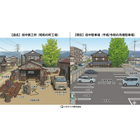
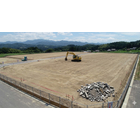
Measures against humus soil and ultra-soft ground. Eliminate settlement risk and ensure strong ground bearing capacity with stepped steel pipes and composite columns.
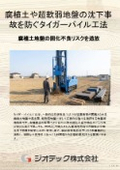
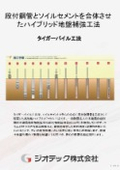
In areas such as landfills, riverbeds, and former wetlands with humus soil and ultra-soft ground, it is urgent to ensure safe building support. Insufficient measures can lead to poor solidification of organic soil and uneven settlement, which can directly result in serious accidents such as tilting and structural damage. The Tiger Pile Method is a high-strength hybrid construction technique that places stepped steel pipes at the core of soil cement columns. Even in layers with unstable cement strength, the steel pipes share the load along the entire construction length, preventing structural collapse. With excellent surface friction and shear resistance, it ensures stable compliance with the planned allowable vertical bearing capacity even in difficult ground conditions. Geo-Tech Co., Ltd. provides reliable reinforcement solutions to tackle harsh soil conditions through precise preliminary surveys and data management.
basic information
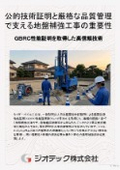
The Tiger Pile method is equipped with highly reliable design specifications that can respond to organic soil (humic soil). The soil cement column diameters are available in three sizes: φ400, φ500, and φ600 mm, and the core material uses stepped steel pipes (φ76.3 mm, φ114.3 mm) that exhibit high adhesion effects. The adjustable steel pipe length ranges from 0.5 to 8.0 m, and based on the public standards certified by the General Incorporated Foundation Japan Building Disaster Prevention Association (GBRC Performance Certification No. 06-12 Rev. 4), it enables reliable reinforcement design without excess or deficiency even in difficult ground conditions.
Price information
Delivery Time
Model number/Brand name
Ground reinforcement work
Applications/Examples of results
It is extremely effective for foundation ground reinforcement purposes in difficult ground conditions where cohesive soil layers and organic soil (humus soil) are deeply distributed, particularly for single-family homes and small buildings. It is selected to ensure the planned vertical bearing capacity in harsh sites where conventional columnar improvements raise concerns about insufficient strength and quality deterioration. It is utilized in practice by designers and contractors who want to structurally eliminate the risk of differential settlement and build safe building foundations for long periods, regardless of the adverse conditions of the land.
catalog(4)
Download All Catalogs