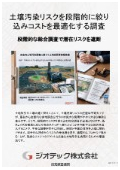
Cost optimization through phased soil investigation | Geotech
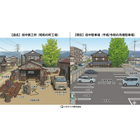
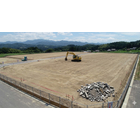
Eliminate contamination risks at the new location through phased investigations and optimize environmental liabilities and investigation costs.
In factory relocation, conducting extensive and in-depth investigations from the outset raises concerns about the difficulty of accurately assessing risks while incurring unnecessary cost increases. Breaking through the limitations of traditional methods is GeoTech's comprehensive soil investigation. By narrowing down from Phase 1 to Phase 3, we can simultaneously ensure reliable evidence and maximize cost-effectiveness. 【Usage Scenarios】 - Acquisition of new land - Reconstruction and expansion - Environmental compliance - Reduction of potential risks 【Benefits of Implementation】 - Control of excessive investigation costs - Securing legal evidence - Maintaining corporate credibility and asset value
basic information
【Features】 - Highly reliable surveys conducted by a Ministry of the Environment designated investigation agency - Cost optimization through a phased approach from Phase 1 to Phase 3 - Sampling without interruption of operations using specialized equipment for narrow sites - Accurate data management and issuance of measurement certificates based on official analysis - Survey methods compliant with the Soil Contamination Countermeasures Act 【Our Strengths】 Geotech provides "total ground services," offering a one-stop solution for all ground-related tasks, including ground surveys, ground reinforcement design and construction, building differential settlement correction work, and soil contamination investigation and remediation projects. With extensive experience and proven technology, we propose optimal solutions tailored to our customers' needs.
Price information
Price range
P3
Delivery Time
P4
Model number/Brand name
Soil contamination survey
Applications/Examples of results
This survey method is utilized for voluntary investigations aimed at understanding legal obligations during the sale and purchase of land by companies, the reconstruction of factories and business sites, and the closure of specific facilities. It is also applicable for pre-assessing environmental liabilities during M&A or organizational restructuring. Additionally, it is ideal for proving compliance with off-site transportation standards for excavated soil and surplus soil during condominium development or land acquisition by developers, as well as for providing supporting documentation to mitigate legal risks in important disclosures. In practical situations where reliable soil sampling is required in restricted spaces, such as narrow plots, operational factory sites, and indoor parking lots where large machinery cannot access, it supports cost reduction through phased narrowing and facilitates rapid administrative consultations and the acquisition of development permits.