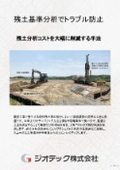
Clear acceptance criteria for residual soil and reduction of analysis costs | Designated research institution
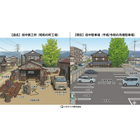
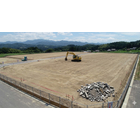
The optimal solution that reliably meets the latest standards and significantly reduces the analysis costs of residual soil.
When disposing of excavated soil from construction sites, preliminary investigations are essential to avoid environmental risks and prevent construction delays. This technology not only accurately meets the different regulations and acceptance conditions set by each municipality but also implements the latest processes to reduce analysis costs. It selects appropriate disposal sites based on the respective environments of land and marine reclamation, strictly adheres to volume standards, and presents optimal construction methods based on specific situations. With a reliable investigation system from Geotech, we eliminate serious risks such as legal violations and loss of credibility, strongly supporting the smooth advancement of projects.
basic information
Based on the national soil environmental standards (approximately 29 items), we can accommodate analyses of more than 45 items, including dioxins, oil content, and fluorine. Sampling methods are differentiated based on conditions, using double shovels (surface layer), heavy machinery excavation (shallow layer), and self-propelled boring machines (deep core). We can design surveys in accordance with various regulations, such as those in Chiba Prefecture (mixed method every 5000m3 at 5 locations) and Tokyo Port Terminal (mixed method prohibited every 2500m3 or 50m square).
Price information
Price range
P3
Delivery Time
P4
Model number/Brand name
Soil survey
Applications/Examples of results
Preparation of disposal plans for excavated soil before the start of construction and civil engineering works, pre-compatibility analysis based on regulations from various municipalities (Chiba, Tokyo, Saitama, etc.), approval procedures for transporting to disposal sites, and voluntary residual soil risk management associated with land transactions and construction. It is utilized for pinpoint soil sampling and screening surveys at sites where large machinery cannot easily access, such as narrow plots, operating factories, and directly beneath underground pits.