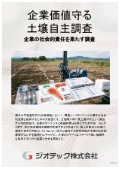
Soil Contamination Self-Assessment | ESG Compliance | Geotech
Eliminate environmental risks to zero through buyer-side due diligence and Phase 2 sampling, achieving a balance between ESG and social responsibility.
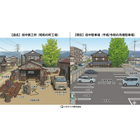
This is a clean voluntary investigation solution aimed at publicly listed companies and foreign investment firms that prioritize ESG management and environmental compliance. Overlooking soil contamination during land transactions poses not only financial losses but also the fatal risks of image deterioration due to media coverage and a decline in ESG ratings. Our service is based on the highest standards of compliance, starting with a thorough audit of the history of hazardous substance handling during the Taisho and Showa eras through "buyer-side historical investigations." If there is even a 1% possibility of contamination, we immediately conduct a "voluntary Phase 2 sampling investigation," implementing strict sampling and official analysis in accordance with international standards. This allows for the complete quantification of environmental risks and ensures high transparency in information disclosure to stakeholders and investors, completely eliminating the development risk of sudden contamination discovery after purchase.
basic information
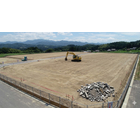
This is a survey specification that fully complies with domestic soil contamination countermeasure laws and emphasizes traceability. In the sampling process, strict sampling protocols are applied to completely prevent cross-contamination, and specific harmful substances are precisely measured at an analysis institution registered for measurement certification, issuing highly reliable evidence.
Price information
Price range
P3
Delivery Time
P4
Model number/Brand name
Soil contamination survey
Applications/Examples of results
Companies listed on the Tokyo Stock Exchange Prime, manufacturing companies engaged in global expansion, environmental management departments of companies that have obtained ISO 14001 certification, and asset managers of funds conducting ESG real estate investments will implement this. It will be used as an essential due diligence procedure to meet internal environmental governance standards when acquiring new business sites or factory assets through M&A. It is utilized as disclosure materials for investors and as an official environmental risk certificate when obtaining environmentally conscious financing.