Designated Investigation Agency | Do not stop development work due to early determination of soil contamination.
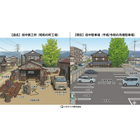
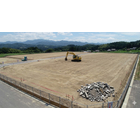
Independent investigation to prevent factory rebuilding and development stagnation. Achieving smooth commencement and construction through preliminary sampling and early judgment.
Preventing the maximum risks of project interruption, cost increases, and schedule delays due to the discovery of soil contamination after construction begins through thorough self-investigation during the planning phase and before contracts are signed. Utilizing the expertise of designated investigation agencies, we conduct reliable sampling with a flexible schedule that does not interfere with existing buildings or processes. We promptly identify specific hazardous substances such as heavy metals and organic solvents, ensuring pre-approval of foundation design changes, selection of countermeasure methods, and construction waste treatment routes. We establish a smooth construction process without setbacks, strongly supporting faster transaction speeds and the reliable execution of investment recovery plans.
basic information
This is a self-investigation specification optimized for implementation at operational factories and buildings scheduled for demolition. In the historical survey, past production lines and chemical substance usage reports are scrutinized. In the field survey, small and lightweight boring machines that can be brought into limited, narrow spaces or low-ceilinged indoor areas are used to conduct accurate soil contamination sampling. Based on the official analytical methods announced by the Ministry of the Environment, we quickly carry out everything from sample collection to analysis and the creation of contamination depth mapping, providing technical data that directly connects to design and construction management.
Price information
Price range
P3
Delivery Time
P4
Model number/Brand name
Soil contamination survey
Applications/Examples of results
It is used for pre-checking underground environmental risks during the reconstruction and plant updates of operating chemical plants, metal processing factories, and printing companies. It is also ideal for environmental due diligence in pre-sale investigations of land intended for redevelopment, as well as for the practical assessment of pre-contamination of construction-generated soil to comply with municipal soil regulations. It is widely adopted to completely eliminate underground risks before construction begins, ensuring smooth collaboration with general contractors and construction companies, and demonstrating safety considerations for the surrounding environment.