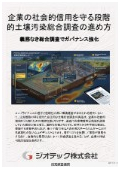
Change of Use Historical Investigation | Risk Mitigation for Residential Conversion of Former Factory Sites
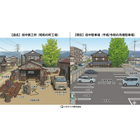
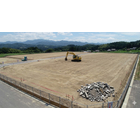
Blocking the risk of converting former factory sites into residential land! Early detection of hidden soil contamination through historical land use verification for change of use.
In the redevelopment of residential areas on former factory sites, it is urgent for developers to mitigate the "land conversion risk" caused by soil contamination. The discovery of hazardous substances after handover poses the risk of contract cancellations and substantial compensation claims. This catalog details a geotechnical method that focuses on "historical land use verification" conducted before contracts, analyzing operational histories and public notification documents in a multi-layered manner to objectively extract often-overlooked underground leakage risks. Additionally, it covers practical knowledge for risk management to maintain asset value, including the use of voluntary sampling surveys during contract negotiations and the establishment of warranty clauses in cases of non-compliance with standards. Recommended as a resource to support legal trouble avoidance and safe asset acquisition for professionals in real estate development.
basic information
This is a voluntary soil investigation service for land transactions related to changes in use, provided by Geotech, a designated investigation agency, based on the Ministry of the Environment's guidelines and the Soil Contamination Countermeasures Act. In the Phase 1 equivalent historical investigation, we comprehensively conduct analyses of materials such as registration records, public notification documents, and past aerial photographs, along with on-site investigations and interviews with operational stakeholders, to assess the likelihood of contamination related to 26 specific hazardous substances. Furthermore, if risks are confirmed, we will carry out Phase 2 sampling investigations and component analyses in full compliance with official methods, quickly preparing high-precision measurement data as solid evidence for contract negotiations and providing it in report format.
Price information
Price range
P3
Delivery Time
P4
Model number/Brand name
Geographical and historical survey
Applications/Examples of results
It is primarily used for voluntary soil risk management before real estate sales contracts when changing the use of former factory sites or business premises to residential areas, condominiums, parks, and other residential uses. The main objectives are to identify land conversion risks early in redevelopment plans, to uncover hidden defects led by the buyer, and to build legal evidence to facilitate negotiations on defect liability clauses (responsibility for costs and purification) in sales contracts. This approach aims to eliminate the risk of deal cancellations and long-term damage compensation disputes after the transfer, ensuring safe and smooth real estate transactions and land acquisitions based on accurate asset value assessments.