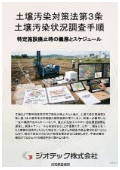
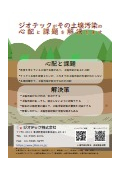
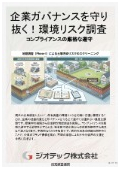
Streamlining Article 3 Investigations During the Abolition of Specific Facilities | Cost-Reduction Procedures
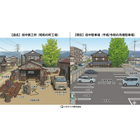
Optimize the investigation under Article 3 of the law when abolishing specific facilities that use harmful substances. Eliminate waste and respond quickly and at low cost, from historical surveys to the governor's report.
This document details the practical flow of the "Soil Contamination Status Investigation under Article 3 of the Law on Measures Against Soil Contamination" associated with the abolition of facilities that use hazardous substances, in order to prevent schedule delays during factory closures and operational terminations. It presents key strategies to minimize costs and timelines in investigations triggered by notifications. In the historical investigation, public documents and operational records are cross-referenced to scrutinize infiltration risks and rationally narrow down sampling areas. In the subsequent process, soil gas surveys for first-class substances and sampling of second- and third-class substances are conducted in optimal configurations to obtain high-precision data compliant with the law. From the creation of administrative reports that eliminate the risk of re-investigation to submission to the prefectural governor, total support is provided through the expertise of the designated investigation agency, Geotech. This practical know-how helps avoid contractual risks and development delays, ensuring the safe and rapid maintenance of asset value.
basic information
This practical optimization service is a statutory investigation package conducted by a designated investigation agency in full compliance with Article 3, Paragraph 1 of the Soil Contamination Countermeasures Act. In Phase 1, the historical investigation identifies the handling history of 26 types of specified hazardous substances and the risk of underground infiltration at the site through administrative information, historical documents, and interviews with operational personnel, creating a land classification map according to the level of concern. In Phase 2, the sampling process establishes optimal unit plots (10m grid and 30m grid) tailored to the site shape and building layout, and conducts soil gas surveys and surface and depth soil sampling in accordance with standard methods. It encompasses measurements by registered analytical institutions based on the Measurement Act, written audits by technical managers, and the preparation of reports for submission to the governor.
Price information
-
Price range
P3
Delivery Time
P4
Model number/Brand name
Soil contamination survey
Applications/Examples of results
The main application scenarios include responding to investigations under Article 3 of the law related to the cessation of operations, building demolition, and business closure at plating factories, chemical plants, printing companies, and other facilities that use hazardous substances. It is used to quickly determine the presence of soil contamination without halting the schedule for demolition work or land use planning, and to fulfill the obligation to report to the governor. Additionally, it is utilized for preemptively identifying defect risks before land sales, clarifying responsibility between sellers and buyers, and establishing legal evidence for contract practices that ensure the isolation of environmental liabilities during M&A. Furthermore, it serves as an extremely effective risk management tool to demonstrate the safety of underground areas in advance as part of voluntary investigations during operations, thereby preventing the erosion of corporate value.
catalog(3)
Download All Catalogs