Optimizing Experimental Environments with Thermal Insulation Partitions for Research Facilities
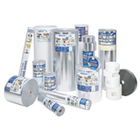
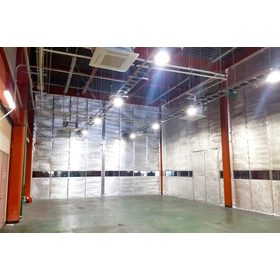
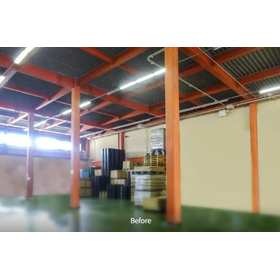
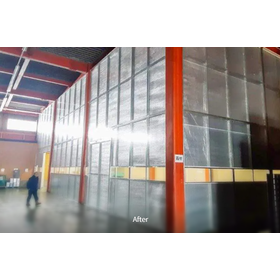
An optimal space at low cost for experimental environments where temperature management is crucial.
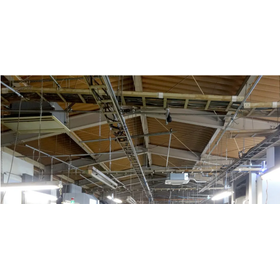
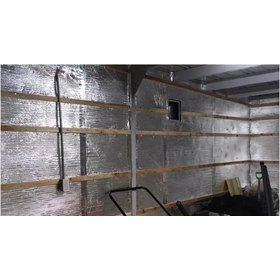
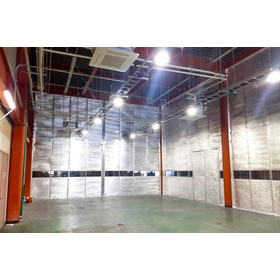
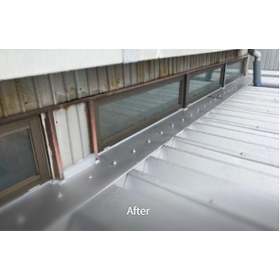
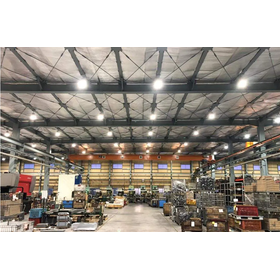
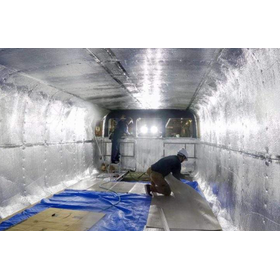
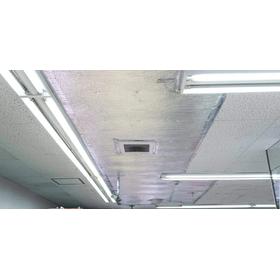
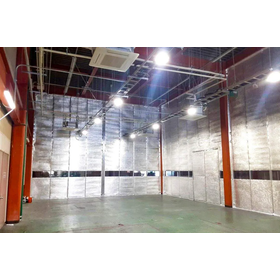
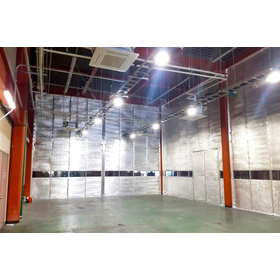
In research facilities, temperature control significantly impacts experimental results. Particularly in precise experiments or when handling delicate reagents, temperature fluctuations can compromise the reproducibility of experiments. While expanding or renovating buildings incurs substantial costs, thermal insulation partitions effectively utilize existing spaces to create temperature-controlled experimental environments at a low cost. 【Usage Scenarios】 - Laboratories where temperature control is crucial - Expansion of clean rooms - Storage areas that need to maintain specific temperature ranges 【Benefits of Implementation】 - Achieves temperature-controlled spaces at a low cost - Contributes to improved reproducibility of experiments - Effective use of existing spaces
basic information
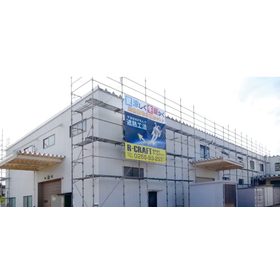
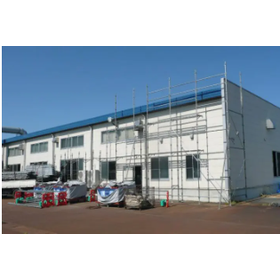
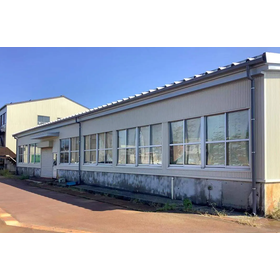
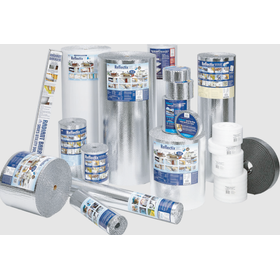
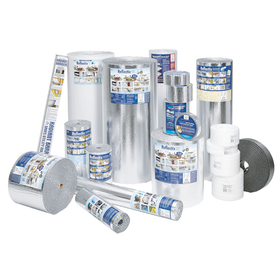
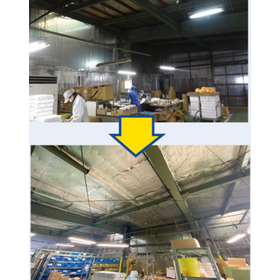
【Features】 - Easy to maintain a constant temperature due to the heat-insulating sheet effect - Allows observation of the interior from the window - Simple structure at a low cost 【Our Strengths】 Our company has been based in Tsubame City, Niigata Prefecture for over 80 years, primarily engaged in heat insulation work for factories and warehouses, as well as roof and exterior wall renovations. We provide optimal proposals tailored to our customers' needs.
Price range
Delivery Time
Applications/Examples of results
For more details, please download the PDF or feel free to contact us.
Related Videos
catalog(2)
Download All Catalogs

Distributors

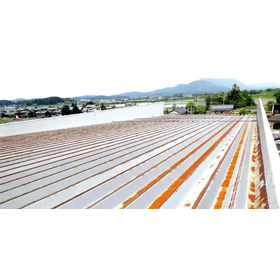
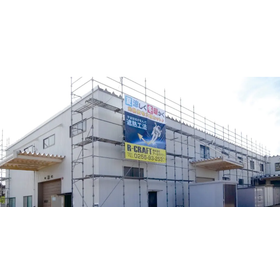
Our company has been established in Tsubame City, Niigata Prefecture for over 80 years, primarily engaged in "roof renovations such as metal roofs" and "exterior wall renovations such as siding." If you are struggling with issues such as heat measures for factories and warehouses during the summer, reducing air conditioning costs, aging roofs and exterior walls, or leaks, please feel free to contact us.