[Specific Example] Increased profits through valuable transactions of waste plastics.

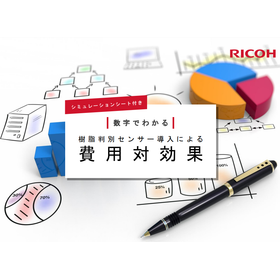
A case study of a method for distinguishing valuable materials using a handheld sensor has been standardized!
We would like to introduce a case study of the implementation of a "resin identification sensor" at a plastic material manufacturer. At the company, among the waste plastics generated in the factory, those with unknown resin types were uniformly disposed of, as it was difficult to determine whether they could be traded for value, resulting in significant disposal costs. After the introduction of the resin identification sensor, it became possible to identify previously unknown plastics on-site, achieving both an expansion of valuable transactions and a reduction in disposal costs simultaneously. 【Case Overview】 ■ Challenges - Among the waste plastics generated in the factory, it was difficult to determine whether the unknown resins could be traded for value, leading to uniform disposal and significant disposal costs. ■ Effects - It became possible to identify previously unknown plastics on-site, achieving both an expansion of valuable transactions and a reduction in disposal costs. *For more details, please refer to the PDF document or feel free to contact us.
basic information
For more details, please refer to the PDF document or feel free to contact us.
Price range
P4
Delivery Time
P3
Applications/Examples of results
For more details, please refer to the PDF document or feel free to contact us.
catalog(2)
Download All Catalogs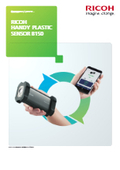
Distributors
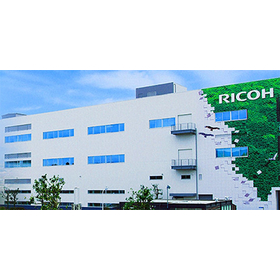
Ricoh's Environment and Energy Business Center is developing and providing new solutions aimed at building a sustainable society. To address the challenges of realizing a "decarbonized society" and a "circular society," we are working on creating environmental businesses in a "broader field that is not limited to traditional business areas."