[Case Study] Utilizing Sensors for the Valorization of Waste Plastics! Fuji Kasei Co., Ltd.

We will introduce a case where the material identification cost was significantly reduced, allowing for the collection of small amounts of waste plastic!
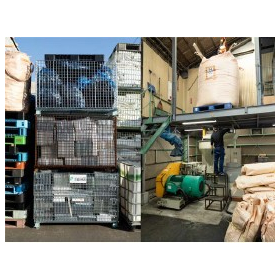
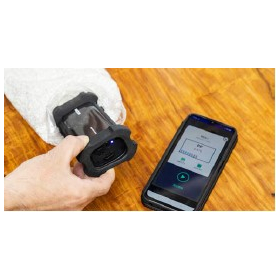
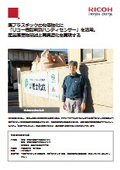
We would like to introduce a case study of the introduction of the "Ricoh Resin Discrimination Handy Sensor" at Fuji Kasei Co., Ltd., which is engaged in the processing and sales of recycled plastics, the purchase of waste plastics, and the collection and transportation of industrial waste. The company faced high costs for material discrimination of waste plastics, making it difficult to collect small amounts of waste plastics due to profitability concerns. Additionally, it was necessary to burn small amounts of waste plastics for material discrimination, which could produce toxic gases, raising concerns about health risks for the discriminators. With the introduction of the sensor, high-precision discrimination has become possible with easy operation. The need to burn waste plastics for discrimination has also been eliminated, reducing health risks for the discriminators and achieving a reduction in industrial waste and resource recycling. 【Previous Challenges】 - High costs for material discrimination of waste plastics made it difficult to collect small amounts of waste plastics due to profitability concerns. - It was necessary to burn small amounts of waste plastics for material discrimination, but some could produce toxic gases, raising health concerns for the discriminators. - Recyclable waste plastics were also classified as industrial waste. *For more details, please download the PDF or feel free to contact us.*
basic information
【Introduction Effects】 ■ The cost of material identification has been significantly reduced, allowing for the collection of small amounts of waste plastic, which has increased the volume of recyclable plastics collected. Additionally, the ability to identify materials instantly at sales locations has improved the speed of transactions. ■ The need for burning waste plastic for identification has been eliminated, reducing health risks for those involved in the identification process. ■ Companies that generate waste plastic can now purchase identified materials and sell them as recyclable plastics. This has led to a reduction in industrial waste emissions and the realization of valuable resource recovery. * For more details, please download the PDF or feel free to contact us.
Price information
898,000 yen (basic model, excluding tax)
Price range
P4
Delivery Time
P3
Please feel free to contact us as delivery times may vary depending on stock availability.
Model number/Brand name
RICOH HANDY PLASTIC SENSOR B150
Applications/Examples of results
In the case of the emitting company, being able to identify materials in-house will enable the reduction of waste and the promotion of recycling. *For more details, please download the PDF or feel free to contact us.
catalog(2)
Download All Catalogs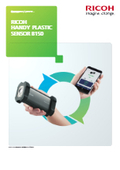
Distributors
Ricoh's Environment and Energy Business Center is developing and providing new solutions aimed at building a sustainable society. To address the challenges of realizing a "decarbonized society" and a "circular society," we are working on creating environmental businesses in a "broader field that is not limited to traditional business areas."