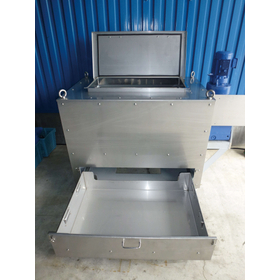
Deer Extermination Decomposition Device CK-600


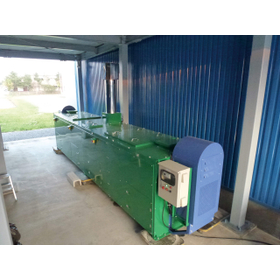
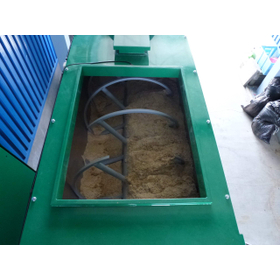
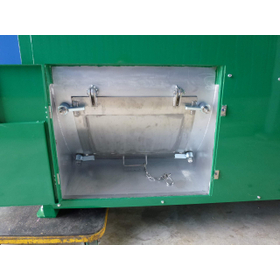
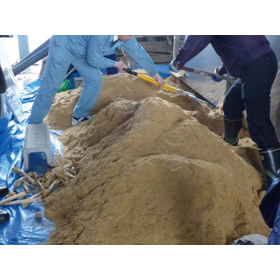
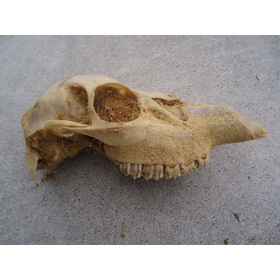
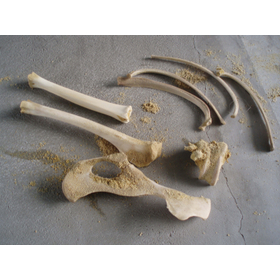
Developed using the technology of bio-toilets! After being deposited, it decomposes and disappears, leaving only thick bones.
The "Decomposition Device for Culling Deer CK-600" is a product that utilizes the power of sawdust to "process and decompose" culled pests. It features an inlet on the top, allowing for direct insertion of the animal in its original form (removing antlers in the case of deer), eliminating the need for cutting or digging holes for burial, thus reducing the burden on the operator. After insertion, it decomposes the animal while leaving behind large bones, which can be crushed using a dedicated bone crusher and reinserted into the decomposition device, allowing for the complete decomposition of the bones as well. There is also a "CK-330 model" that is about half the size. 【Features】 - Only regular sawdust is used - No special bacteria required - No cutting necessary; pests can be inserted directly after culling - For an Ezo deer weighing about 80 kg, decomposition occurs in about 2 weeks, leaving only large bones *For more details, please download the PDF or feel free to contact us.
basic information
【Specifications (Excerpt)】 ■Width (mm): 7,200 ■Depth (mm): 1,230 ■Height (mm): 1,537 (up to exhaust outlet 3,166) ■Weight: Approximately 4 tons ■Power Supply: 3-phase 3-wire 200V *For more details, please download the PDF or feel free to contact us.
Price range
Delivery Time
Applications/Examples of results
For more details, please download the PDF or feel free to contact us.
catalog(1)
Download All Catalogs
Distributors

The bio-toilet includes four keywords: "environment," "care," "recycling," and "disaster prevention." All of these are very important for the future. Bio-toilets do not require sewage treatment, eliminating the need for the enormous costs currently associated with sewage processing. Our company has also commercialized odorless, furniture-style toilets for indoor use in caregiving. Bio-toilets make it possible to protect water resources, reduce caregiving burdens, and prevent environmental pollution. While the 20th century was marked by flush toilets as a barometer of civilization, the 21st century is the era of bio-toilets.