What are the key points for selecting weed control sheets? Towards reducing long-term maintenance costs.


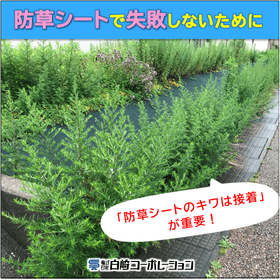
Choosing Weed Control Sheets to Avoid Failure in Weed Management
In recent years, while measures against weeds have become an important issue for maintaining landscapes and ensuring traffic safety, there is a growing demand for more efficient maintenance management amid labor shortages and limited budgets. One of the widely used methods to address these challenges is "weed control sheets." However, there are also many voices expressing dissatisfaction, such as "weeds have penetrated through the sheet" and "it deteriorated quickly," indicating that the expected effects were not achieved. Even though it is referred to as "weed control sheets," the materials and structures vary by product, and the applicable locations and types of weeds that can be suppressed also differ. Therefore, choosing the right sheet is essential to achieve long-term weed control effectiveness. By introducing appropriate weed control sheets, it is possible to prevent the deterioration of landscapes and the decline of safety due to rampant weeds, as well as lead to long-term reductions in labor costs and maintenance expenses associated with weeding operations. This time, we have summarized the key points to consider when selecting weed control sheets in an easy-to-understand manner. Please download it and make use of it.
basic information
If you are having trouble selecting a weed control sheet, we can suggest products tailored to your site, so please feel free to contact us first.
Price range
Delivery Time
Applications/Examples of results
For more details, please refer to the materials or feel free to contact us.
catalog(1)
Download All Catalogs
Distributors

The Hakuzaki Corporation is committed to "controlling weeds with environmentally friendly methods and cultivating only the desired plants," providing "weed-free excitement, the best in Japan." In other words, the above-ground parts of the plants are protected from weed pressure with mulching materials, while the underground parts are supported by symbiotic microbial materials that assist root activity.