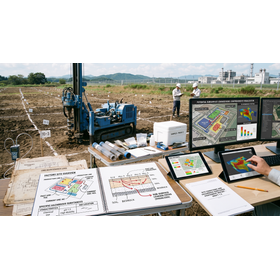
Soil Survey: Appropriate Sample Collection and Soil Sampling Methods Based on Root Cutting Depth
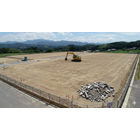
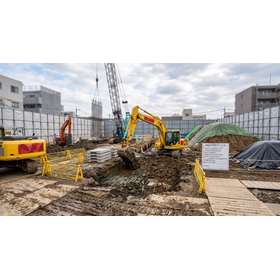
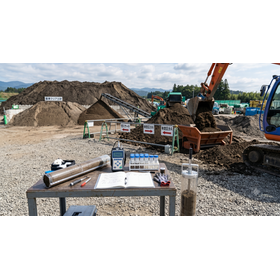
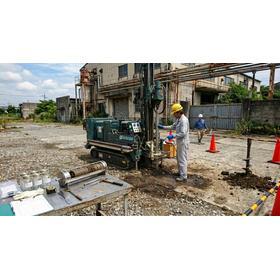

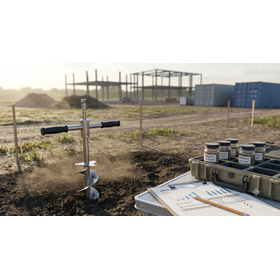
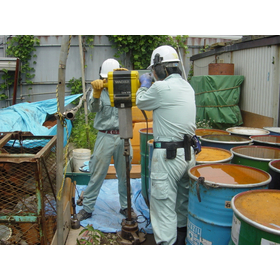
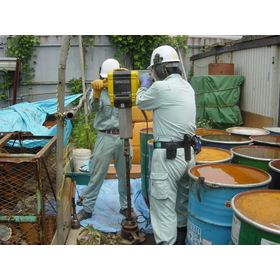
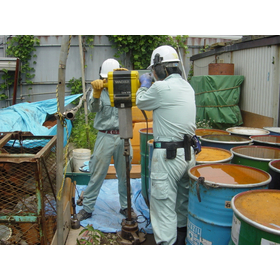
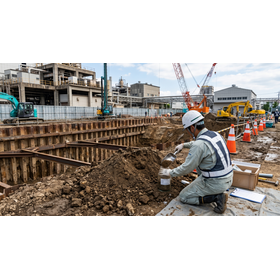
Build evidence with appropriate sampling techniques based on root excavation depth! Streamline waste disposal with sampling that complies with official methods such as dry drilling.
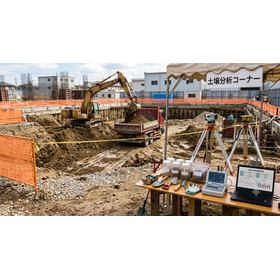
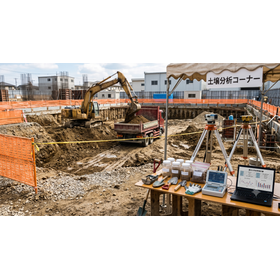
Proper disposal of construction-generated soil arising from the excavation process is a critical issue directly linked to the project's profit margins and adherence to deadlines. Our company provides high-precision official analysis and sampling services as a designated investigation agency under the Soil Contamination Countermeasures Act, ensuring full compliance with strict residual soil regulations and individual acceptance criteria at disposal sites nationwide. Even within tight schedules before construction begins, we clarify the procedures for pre-specification confirmation that clients and construction managers need to know, and we ensure comprehensive layer sampling according to excavation depth. We cover not only standard hazardous substances but also additional analysis items unique to disposal sites, such as oil content and dioxins, completely eliminating issues of acceptance refusal due to lack of evidence. Furthermore, we respond to the increasingly strict principle of "no reuse of existing data" in public works projects in the city, rapidly creating and supporting the latest registration documentation tailored to the specific lot of the relevant site. We deliver optimal residual soil disposal solutions that ensure construction never stops.
basic information
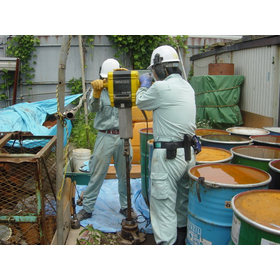
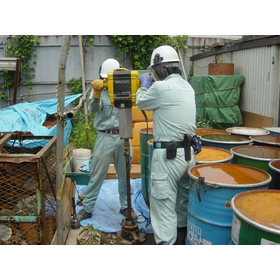
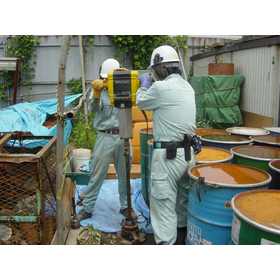
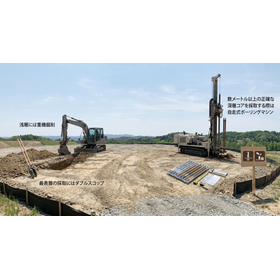
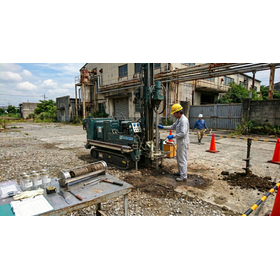
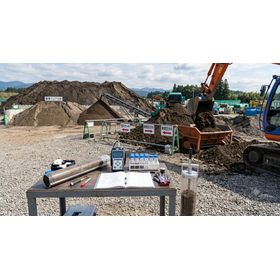
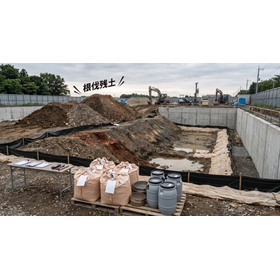
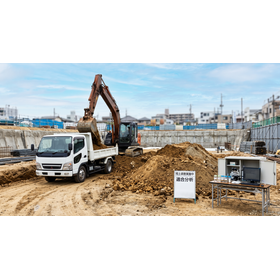
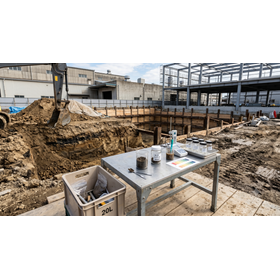
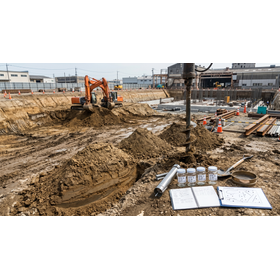
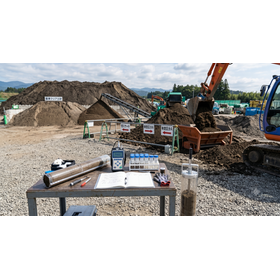
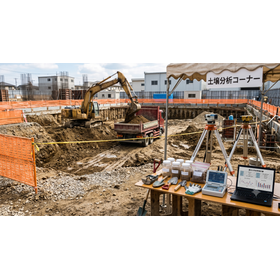
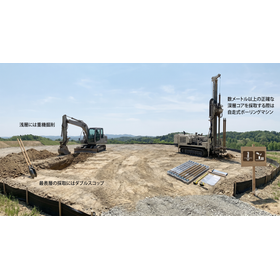
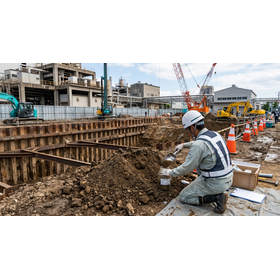
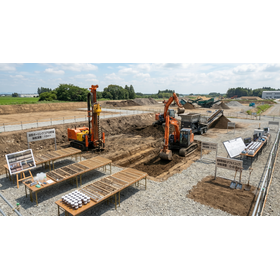
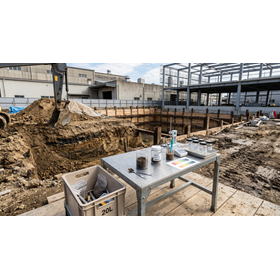
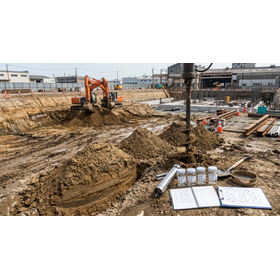
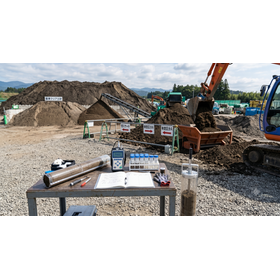
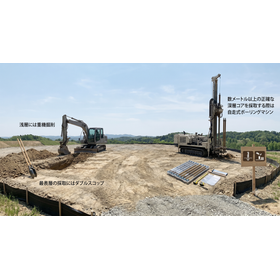
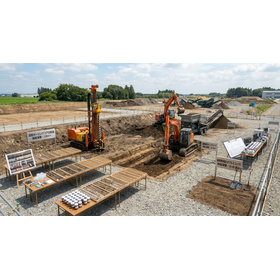
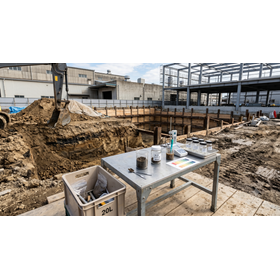
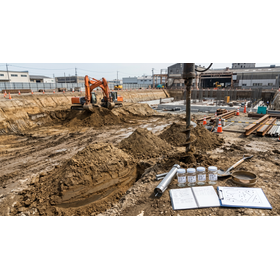
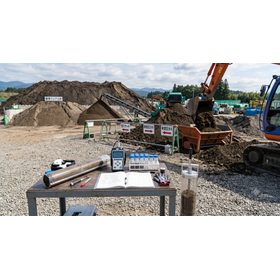
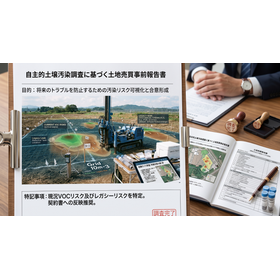
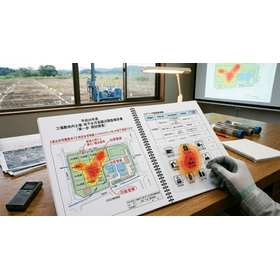
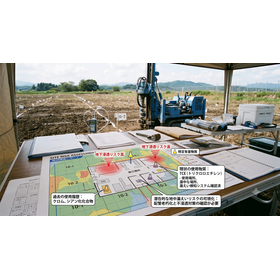
This is a high-precision public analysis and sampling specification designed to optimize the procedures for the removal of excess soil from construction sites and the registration process for disposal sites. It fully complies with local government soil regulations (such as those in Chiba Prefecture) and ensures the execution of comprehensive equal-layer sampling (using a non-water drilling method) up to the maximum excavation depth based on the excavation plan. Chemical analyses that cover additional analyses specified by the disposal site, such as oil content, dioxins, and heavy metals, are conducted, and a measurement certificate is issued. To meet the strict registration requirements unique to public works, which prohibit the reuse of existing data, we quickly prepare a complete set of high-reliability evidence documents for submission to the authorities and disposal sites, including site photographs and location plot diagrams.
Price information
-
Price range
P3
Delivery Time
P4
Model number/Brand name
Soil survey
Applications/Examples of results
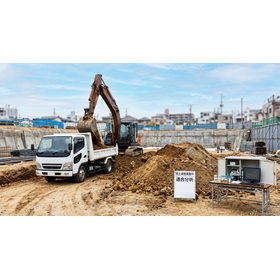
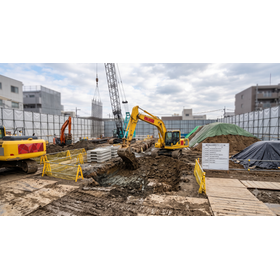
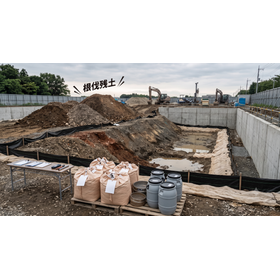
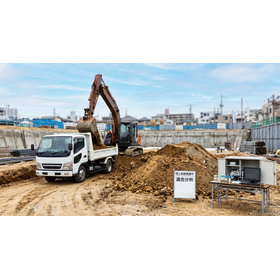
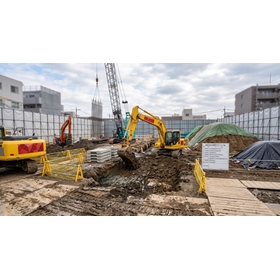
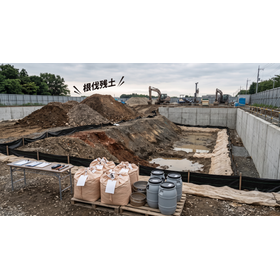
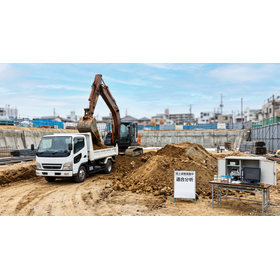
In urban areas, the development of public infrastructure and large-scale private projects utilizes excavated soil (root removal residual soil) as a resource for reuse or for proper transportation and disposal at private disposal sites, confirming compliance with acceptance specifications. It is effective for pre-specification checks to completely avoid temporary construction interruptions, full-layer sampling of maximum excavation depths in accordance with local residual soil regulations, and identifying additional unique analysis items for disposal sites, including oil content, dioxins, and heavy metals, in addition to the standard 26 hazardous substances. This is used to quickly prepare official measurement certificates for each site in public works registration practices, where the principle of not reusing existing data applies, dramatically streamlining the procedures.
catalog(3)
Download All Catalogs