Designated Investigation Agency | Soil Survey to Optimize Residual Soil from Condominiums
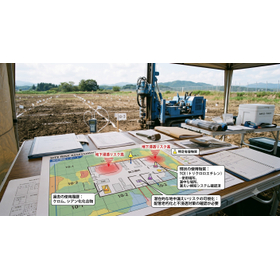

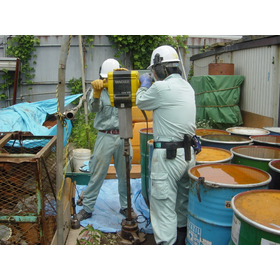
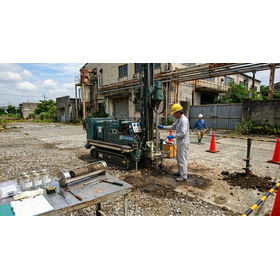
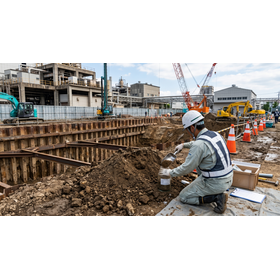
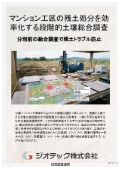
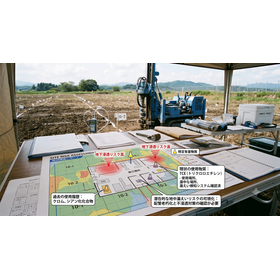
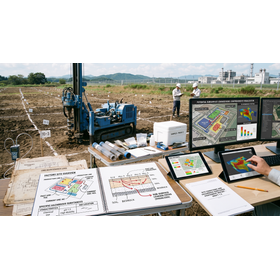
An investigation to safely sort the large amount of excavated soil resulting from the apartment construction work through phased sampling in phases 1 to 3, aiming to optimize transportation costs.
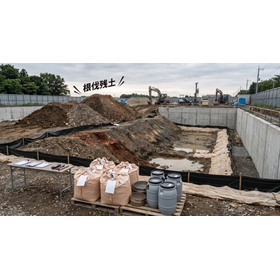
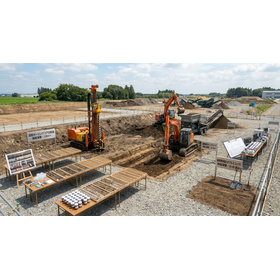
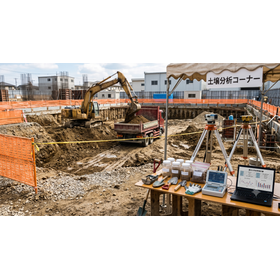
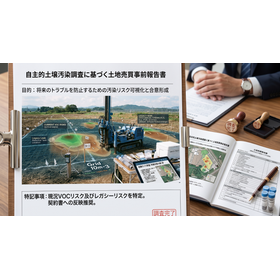
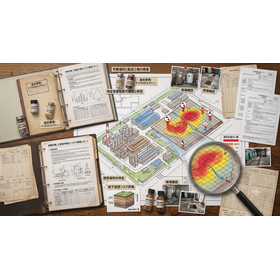
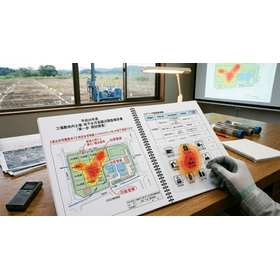
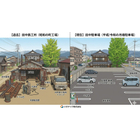
This document is a comprehensive guide for construction managers and general contractors/developers involved in urban high-rise condominiums and large-scale construction projects, aimed at safely and swiftly transporting large amounts of excavated soil and surplus soil generated on-site to off-site locations. It is essential to prove compliance with surplus soil regulations and receiving site standards in advance during deep excavation associated with foundation work to maintain the construction schedule. This guide presents a method for diagnosing differences in contamination risk for each construction zone through phase 1 historical site assessment and for planning optimal sampling strategies. By promoting "incremental sampling" on-site and accurately visualizing the quality of excavated soil by construction zone and grid for pre-sorting, it completely separates non-compliant soil, which incurs high disposal costs, from regular reusable surplus soil, thereby achieving significant optimization of investigation costs and efficiency in transportation. The ultra-short delivery public analysis and reliable legal evidence provided by GeoTech, a Ministry of the Environment designated investigation agency, fully support smooth operations as planned.
basic information
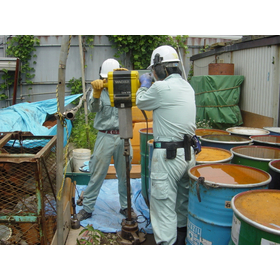
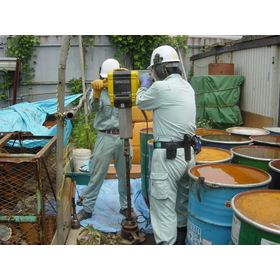
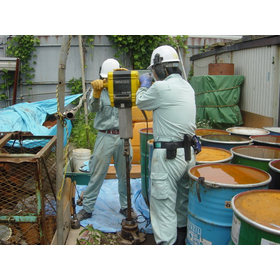
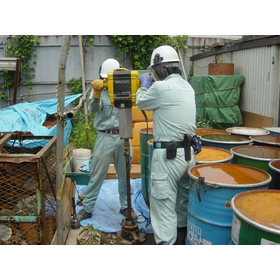
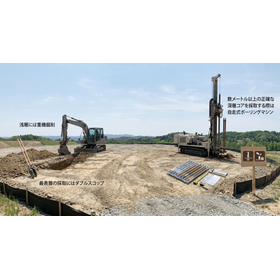
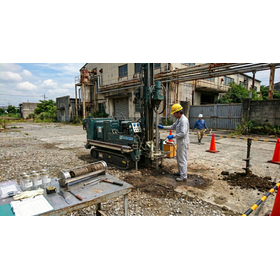
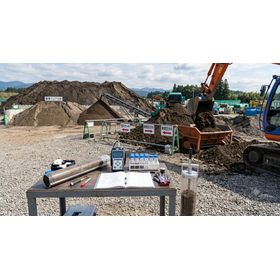
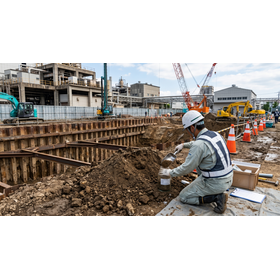
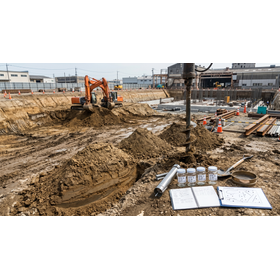
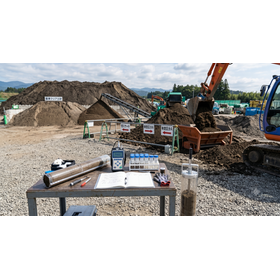
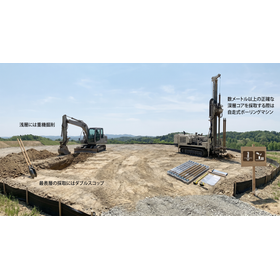
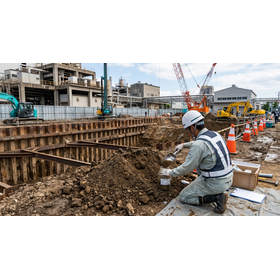
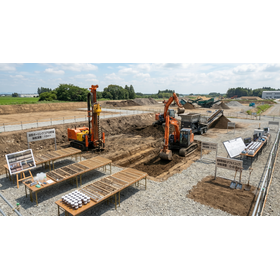
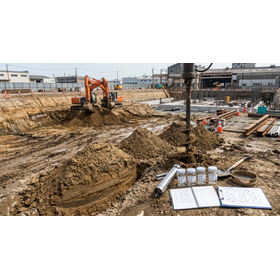
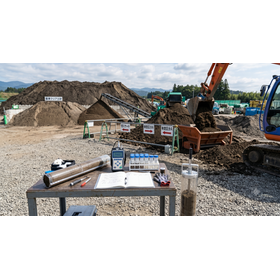
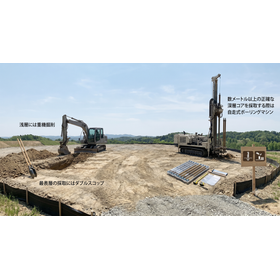
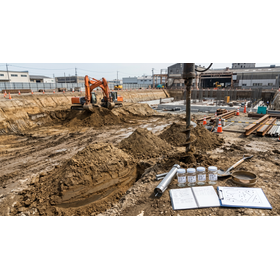
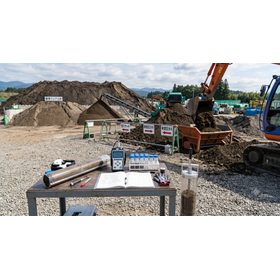
As the technical specifications for the comprehensive soil investigation for the condominium construction area, measurements will be conducted in full compliance with the excavation soil removal standards of each prefecture and the local government soil regulations. In Phase 1, historical diagnostics will integrate and scrutinize the past industrial history of the land and the distribution map of naturally occurring heavy metals. In the sampling specifications for Phases 2 and 3, boring core samples will be collected according to the excavation target depth (maximum depth of 10 meters), and for every 50 to 100 cubic meters, standard analysis based on measurement certification will be applied to leaching and content tests (including total cyanide, lead, hexavalent chromium, etc., covering all 29 specified hazardous substances).
Price information
Price range
P3
Delivery Time
P4
Model number/Brand name
Soil contamination survey
Applications/Examples of results
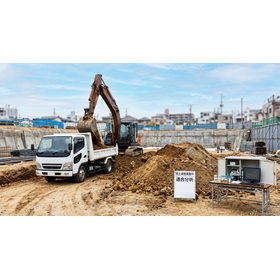
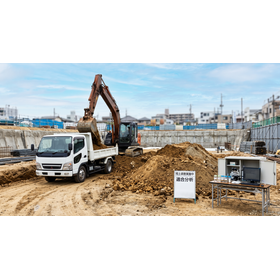
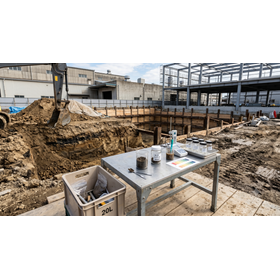
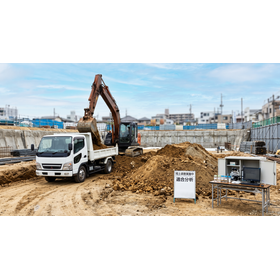
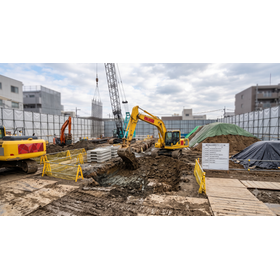
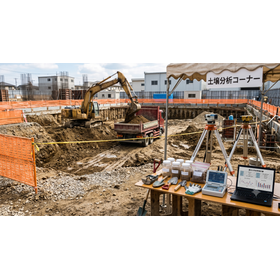
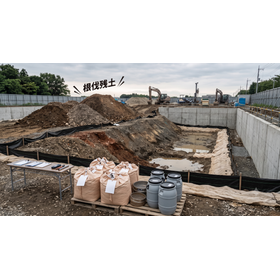
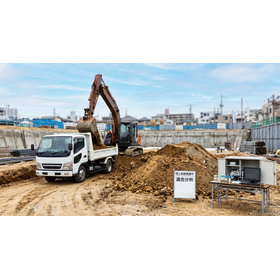
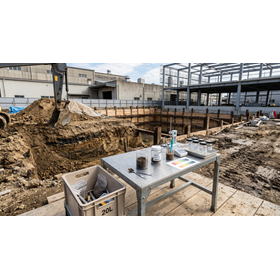
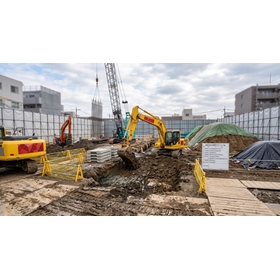
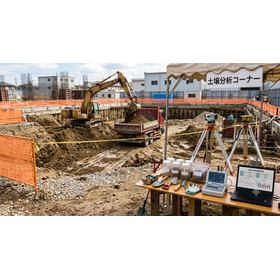
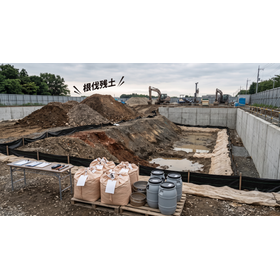
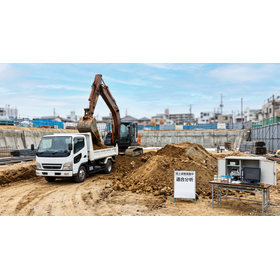
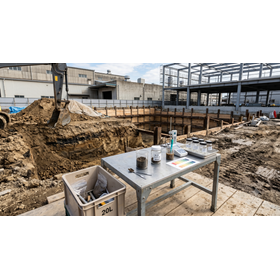
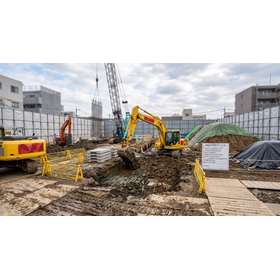
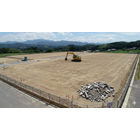
This survey method is used to obtain prior approval for the acceptance of excavated soil generated during large-scale excavation associated with underground pits and pile foundation work during the construction of urban apartments, as well as civil engineering works such as subways and infrastructure development. It provides evidence of full compliance with the strict chemical substance standards specified by the receiving sites and disposal sites, and is suitable for practical scenarios that prevent delays of loading and transport trucks on-site. Additionally, it addresses the minimization of disposal costs through grid-based management for each work section, accelerates administrative consultations based on residual soil regulations, and serves public purposes as proof of safe operation for clients and surrounding residents.
catalog(2)
Download All Catalogs