Designated Investigation Agency | Soil Contamination Risk Investigation in Real Estate Transactions of Automobile Maintenance Factories
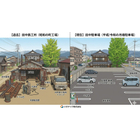
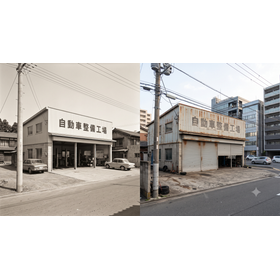
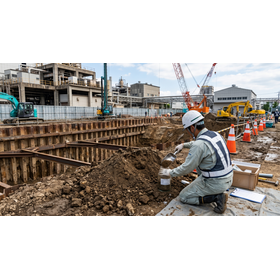
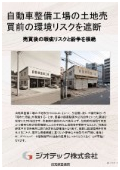
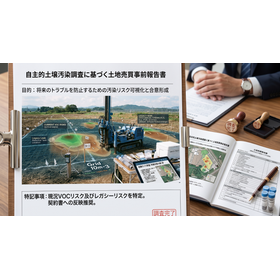
We propose a soil contamination survey to objectively identify hidden defects and environmental liability risks specific to automotive repair shops before contracts, in order to facilitate land sales and M&A.
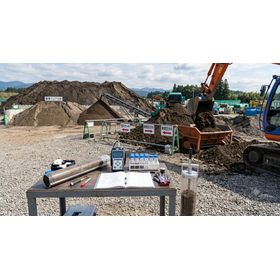
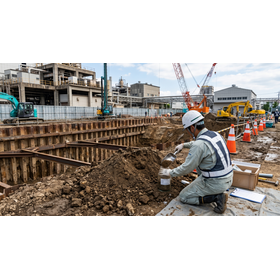
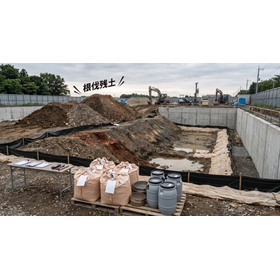
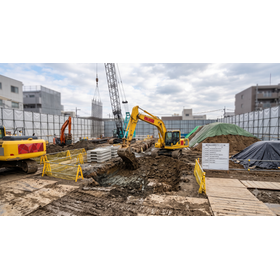
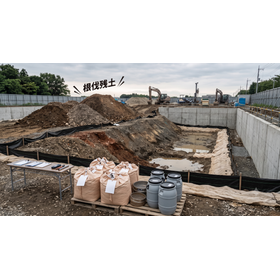
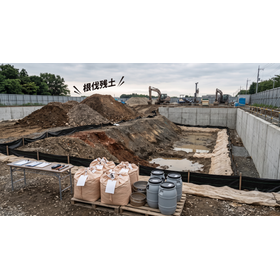
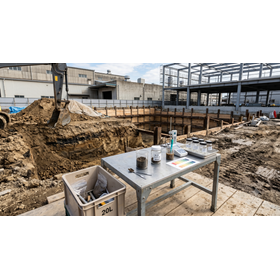
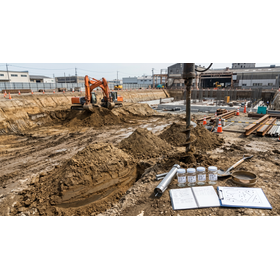
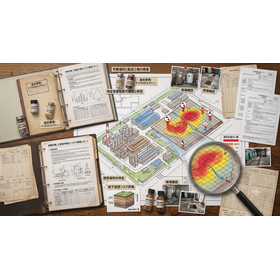
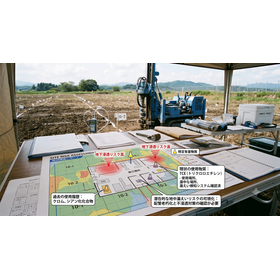
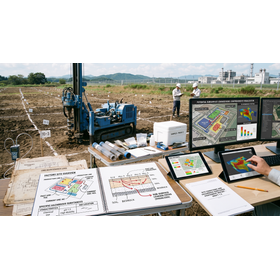
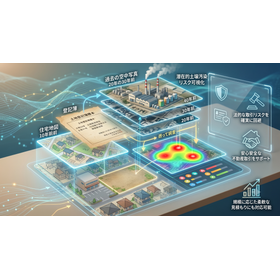
This proposal is a comprehensive soil contamination investigation package aimed at real estate corporations, developers, and asset management departments considering land sales or M&A for automobile maintenance factories, designed to completely eliminate hidden defects and environmental liability risks. In maintenance factories, there is a latent risk of underground leakage from a variety of specific hazardous substances, such as organic solvents like trichloroethylene used in cleaning and degreasing, as well as lead, hexavalent chromium, boron, and fluorine derived from putty polishing and anti-corrosion plating. If these issues are discovered after the transfer of ownership, there is a risk of significant compensation claims or disputes, making pre-contract voluntary investigations extremely important. As a designated investigation agency recognized by the government, we provide a seamless service from Phase 1 historical investigations, which scrutinize public documents and old maps, to Phase 2 surface sampling based on localized parcel selection, Phase 3 detailed drilling investigations to determine contamination depth in three dimensions, and even investigations of construction-generated soil that include measures against the reuse of data from other sites. We provide neutral and reliable evidence to strongly support safe and smooth land transactions.
basic information
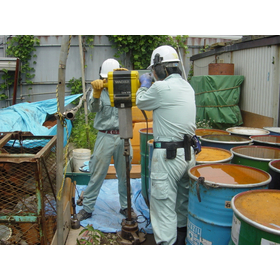
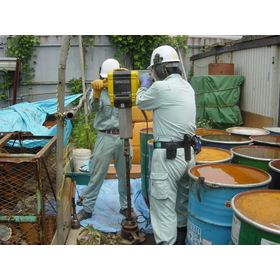
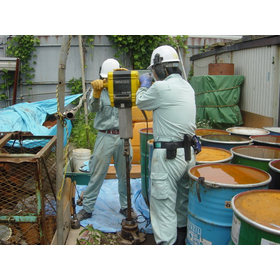
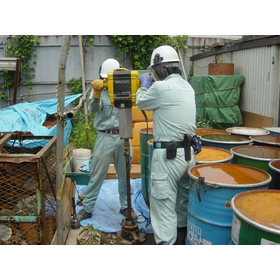
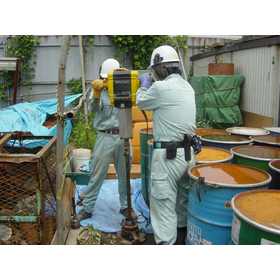
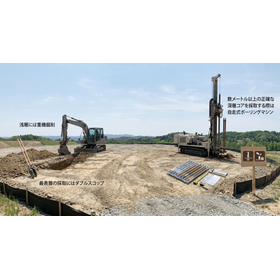
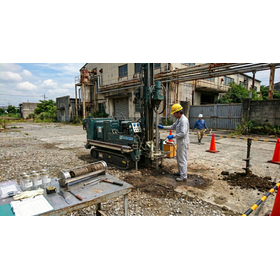
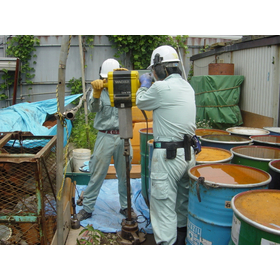
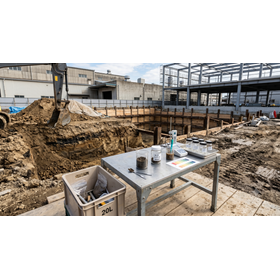
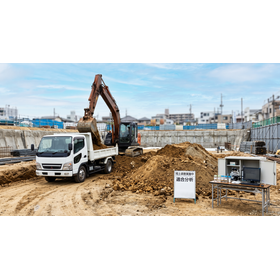
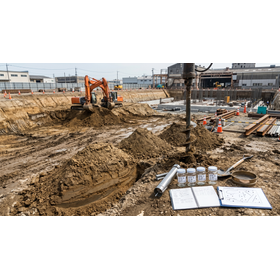
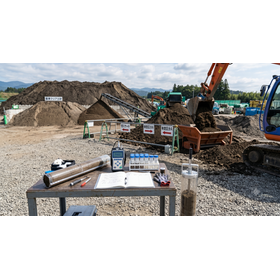
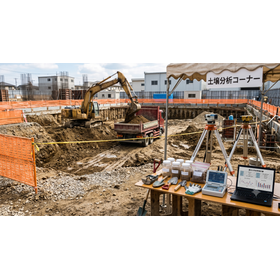
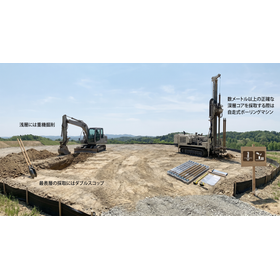
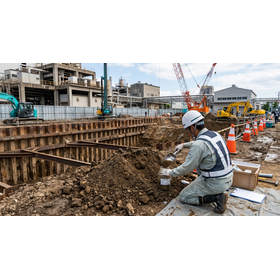
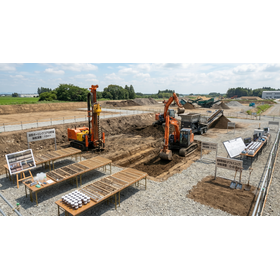
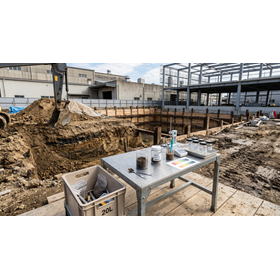
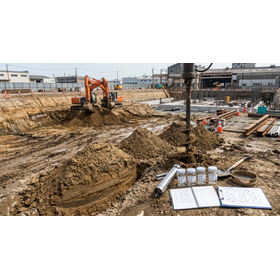
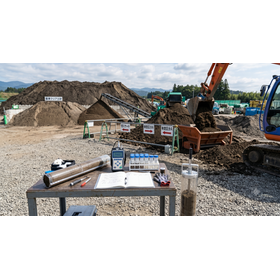
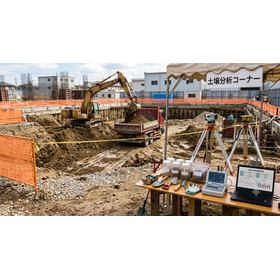
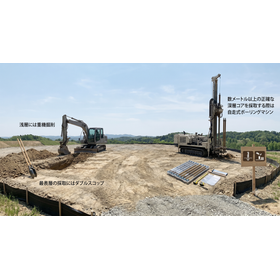
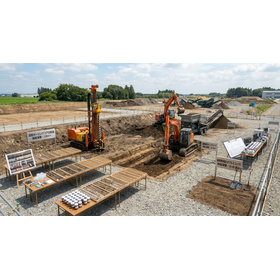
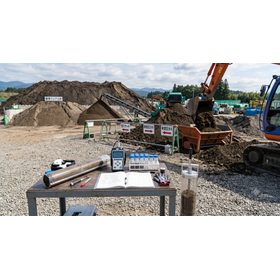
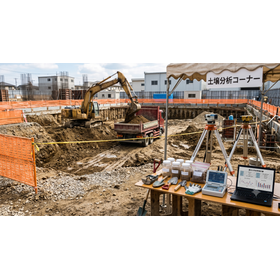
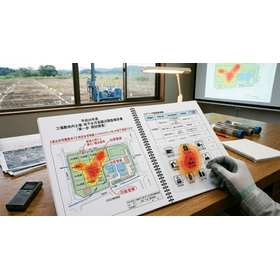
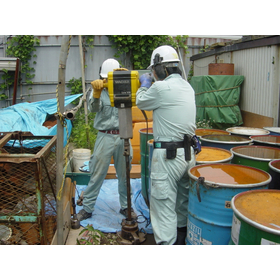
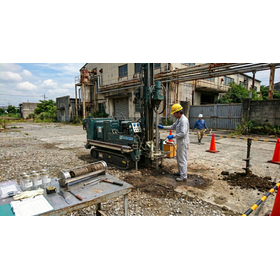
This investigation practice fully complies with the strict technical standards as a Ministry of the Environment designated investigation agency based on the Soil Contamination Countermeasures Act. It addresses public notification materials in historical surveys, time-series analysis of past aerial photographs, the establishment of appropriate sampling points for each unit area (10-meter grid or 30-meter grid) in Phase 2, and soil gas sampling for first-class specified hazardous substances. Furthermore, in the detailed boring investigation of Phase 3, core sampling at various depths up to a maximum of 10 meters from the surface (or the bottom of the aquifer) will be conducted using self-propelled or simple mechanical boring machines. Each type of sample collected will be precisely measured according to official methods at a registered analysis laboratory based on the Measurement Act, and reliable measurement certificates will be promptly issued.
Price information
Price range
P3
Delivery Time
P4
Model number/Brand name
Soil contamination survey
Applications/Examples of results
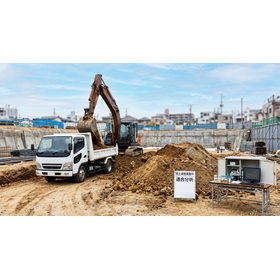
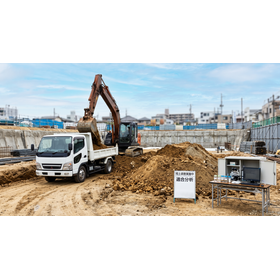
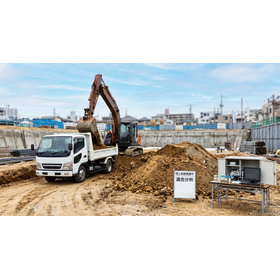
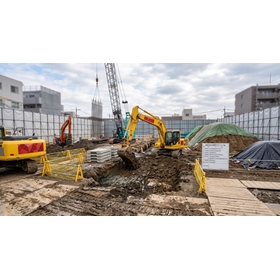
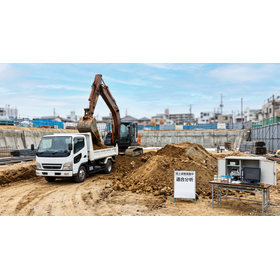
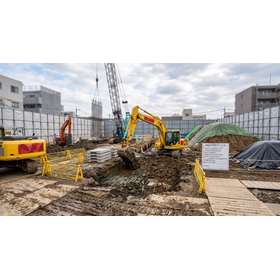
The main uses are the implementation of environmental due diligence (environmental DD) prior to real estate sales contracts related to the redevelopment of sites such as automobile maintenance and body painting factories, as well as in corporate M&A. The buyer side of the land takes the lead, utilizing it to quantify and evaluate hidden defect risks and future asset retirement obligations in advance. Additionally, it can be widely applied in practical administrative consultations and contract risk management during large-scale land redevelopment exceeding 3,000 square meters, the fulfillment of obligations under Articles 3 and 4 of the law associated with the submission of notifications for the abolition of specific facilities using designated harmful substances, and the implementation of pre-inspections for off-site transportation of construction-generated soil based on various regulations (28-item leaching and content tests).
catalog(2)
Download All Catalogs