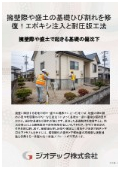
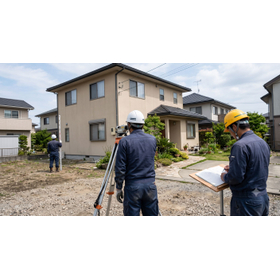
Settlement correction work | Epoxy pressure-resistant slab method to repair foundation cracks at retaining walls and embankments.
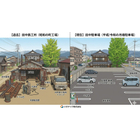
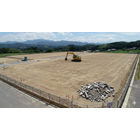
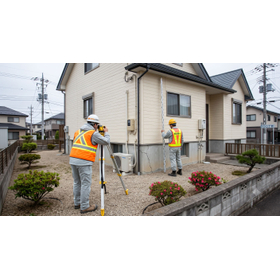
Solve foundation cracks and uneven settlement caused by uneven ground at retaining walls and embankments! We will strengthen the foundation using high-viscosity epoxy resin injection and pressure-resistant slab methods.
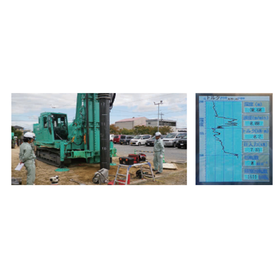
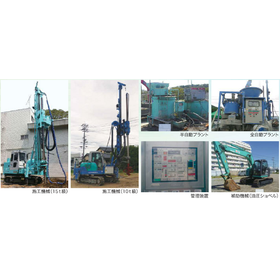
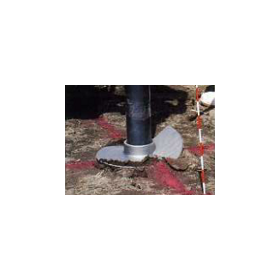
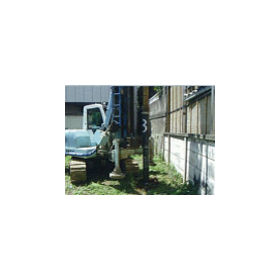
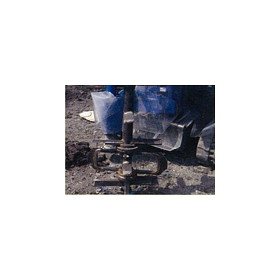
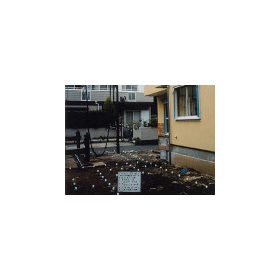
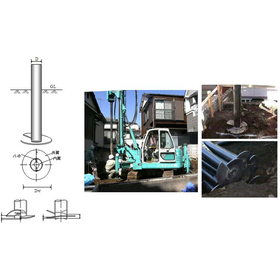
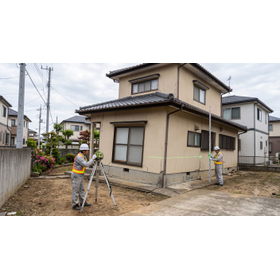
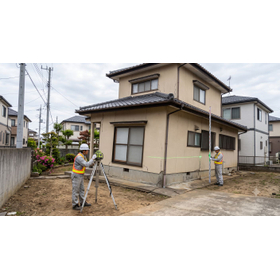
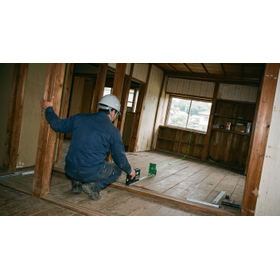
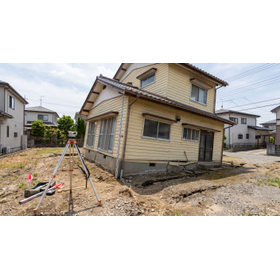
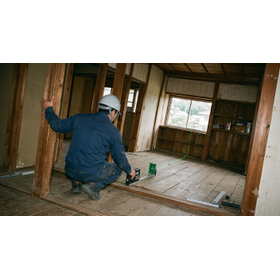
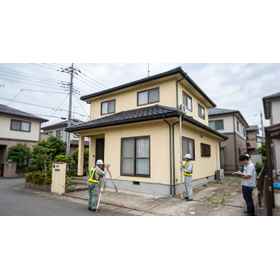
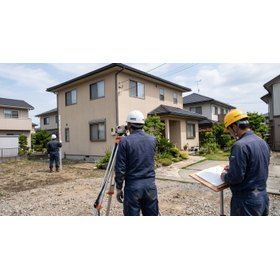
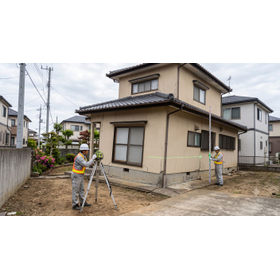
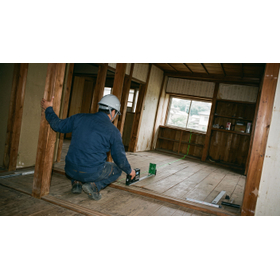
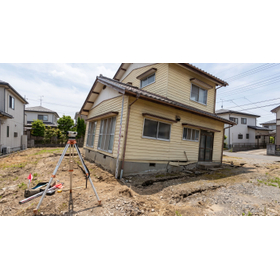
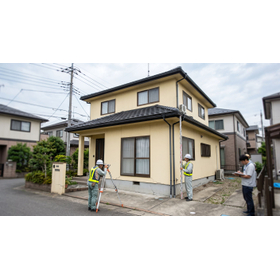
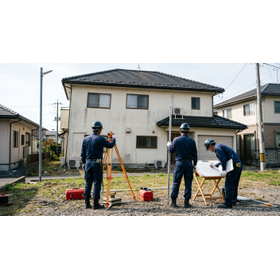
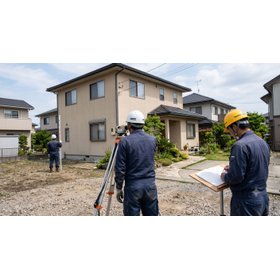
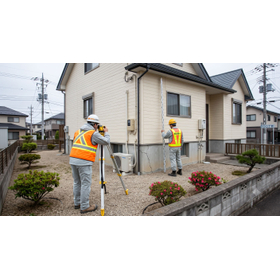
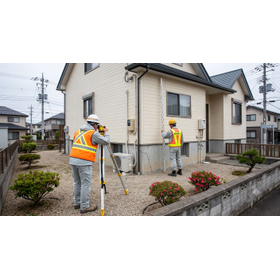
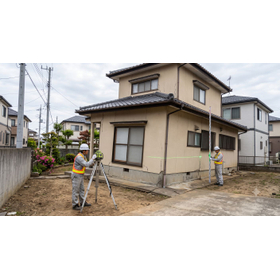
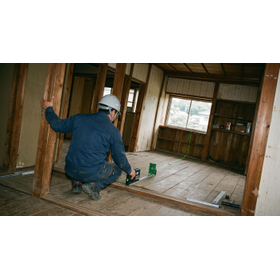
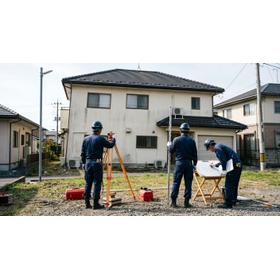
This is a high-precision settlement correction solution that fundamentally addresses the problem of uneven ground and differential settlement associated with foundation cracking in residential areas close to retaining walls and embankment/cut boundaries. For the foundation concrete structure that has fractured due to uneven loading, high-viscosity epoxy resin is injected densely to bond and repair the cracks, restoring structural rigidity and waterproofing to the level of new construction. In the lifting process, a thick steel plate pressure distribution slab and hydraulic jacks are set directly under the foundation, and real-time monitoring of the building's behavior is conducted using high-precision laser measurement, allowing for accurate horizontal correction in millimeter increments. After lifting is complete, lightweight bubble mortar (air milk), which has excellent fluidity, is filled into the voids beneath the foundation to densify it, expanding the contact area to support the building's weight over a larger surface and strongly preventing future re-settlement. This method can be implemented even in areas near retaining walls or in narrow spaces where large machinery cannot be brought in, and by accommodating construction while residents are living in the property without the need for demolition or temporary housing, it dramatically reduces secondary expenses and living stress for the homeowners.
basic information
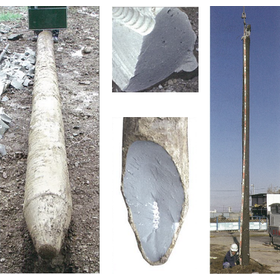
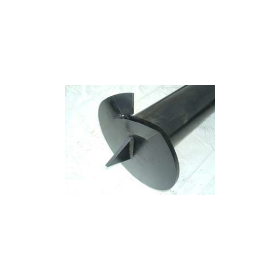
The target is the restoration of local subsidence of strip foundations and mat foundations on the retaining wall and embankment. High-viscosity epoxy resin injection and U-cut seal treatment are used for structural repairs to restore the bending and shear resistance of the structure. For subsidence correction, high-strength steel plates with a thickness of 12mm or more (such as 500mm x 500mm) and small hydraulic jacks are employed to lift in millimeter increments. For filling the voids at the bottom, self-hardening lightweight bubble mortar (air milk) is used, which does not exert excessive lateral pressure on surrounding retaining walls, ensuring uniform stabilization of the ground and foundation.
Price range
Delivery Time
Model number/Brand name
Subsidance correction work
Applications/Examples of results
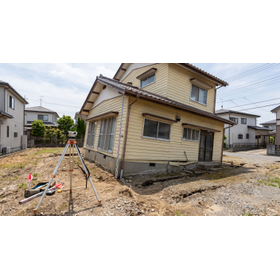
It is ideal for the restoration of single-family homes that have experienced foundation cracks and differential settlement due to uneven ground consolidation, located on retaining wall edges, embankment sites with elevation differences, or at the boundary between cut and fill. It is chosen for sites where large construction machinery cannot be brought in, such as areas close to retaining walls or narrow lots, and where there is a desire to complete the work safely and within a short timeframe while still residing on the property. It is also widely used for the long-term preservation of homes and the recovery and enhancement of real estate value through the reattachment procedures for ground guarantees after construction.
catalog(4)
Download All Catalogs