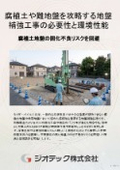
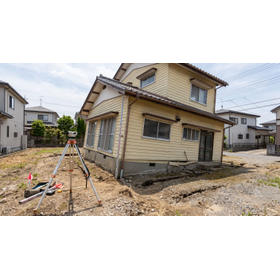
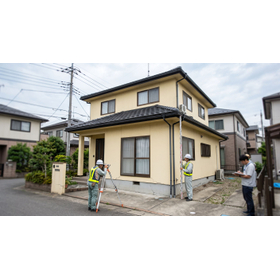
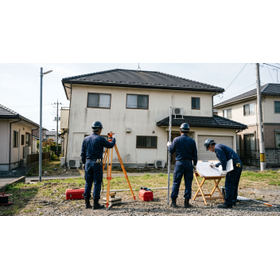
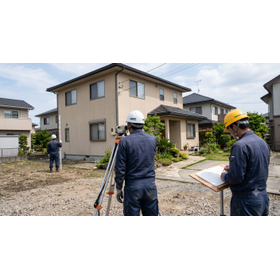
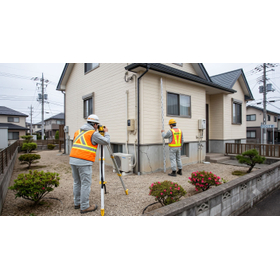
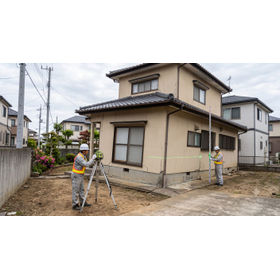
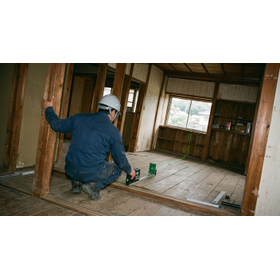
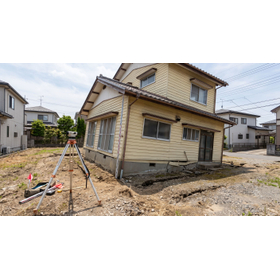
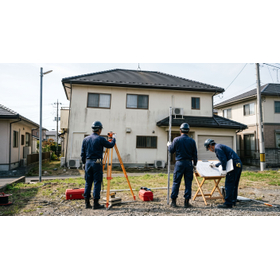
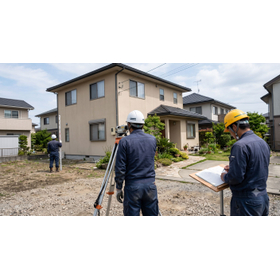
Ground improvement work | The necessity to overcome humic soil and difficult ground while dramatically reducing environmental impact.
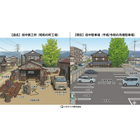
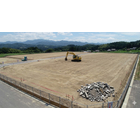
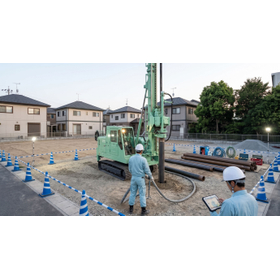
The necessity of ground reinforcement work to overcome humus soil and ultra-soft ground. A technology that enables the reduction of surplus soil and CO2, protecting both the global environment and buildings.
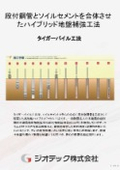
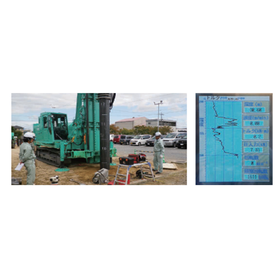
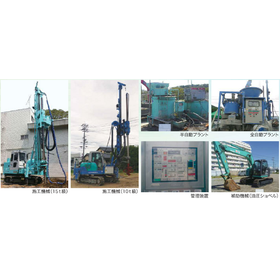
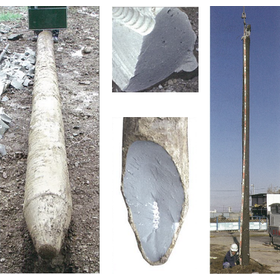
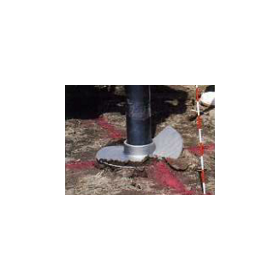
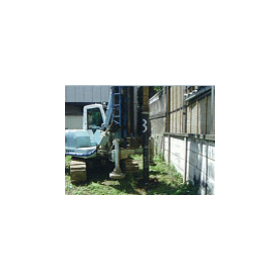
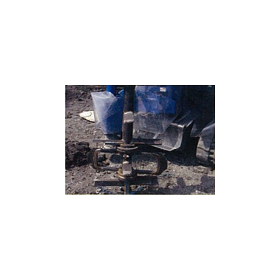
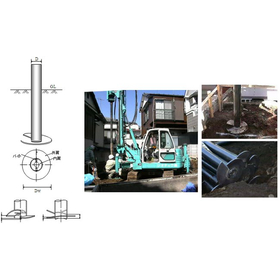
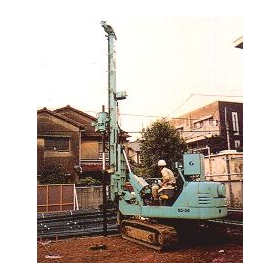
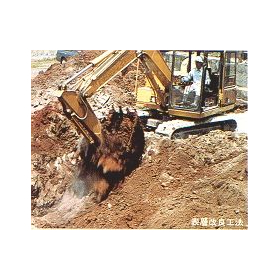
In ground reinforcement work on weak soil and humus land, it is essential to accurately address the risks of poor solidification and settlement accidents caused by soil conditions. Neglecting appropriate measures can lead to uneven settlement in developed land or former wetlands, potentially resulting in structural failure of buildings. The Tiger Pile method is a high-performance hybrid technique that integrates soil cement columns with highly adhesive stepped steel pipes, reliably supporting loads even in organic soil layers where poor solidification is a concern, thanks to the material strength of the steel pipe core. By significantly shortening the construction length through increased load-bearing capacity, it contributes to reducing the amount of cement-based solidifying materials used and minimizing CO2 emissions during production. Furthermore, it can greatly reduce the amount of excavated residual soil, significantly lowering the costs of industrial waste disposal and the environmental impact of truck transportation. GeoTech Co., Ltd. proposes sustainable reinforcement solutions that achieve a high level of environmental consideration and economic efficiency while tackling harsh ground conditions.
basic information
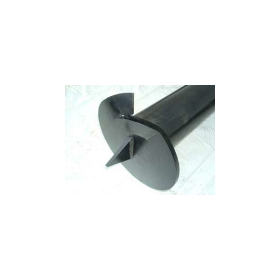
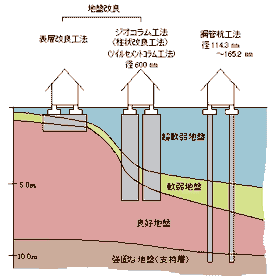
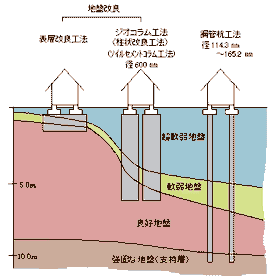
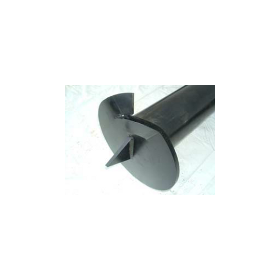
The Tiger Pile method is designed to accommodate organic soil (humic land) with specific design specifications. The soil cement column diameters are available in three sizes: φ400, φ500, and φ600 mm, with design strength optimized according to specifications and test results. The core material consists of stepped steel pipes (φ76.3 mm, φ114.3 mm) with controlled groove width and depth to achieve high adhesion effects, and the steel pipe lengths range from 0.5 to 8.0 m. By enhancing load-bearing capacity, this method shortens the construction length compared to conventional column improvement, significantly reducing the amount of construction waste and cement usage, making it an environmentally friendly specification.
Price information
Delivery Time
Model number/Brand name
Ground reinforcement work
Applications/Examples of results
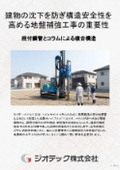
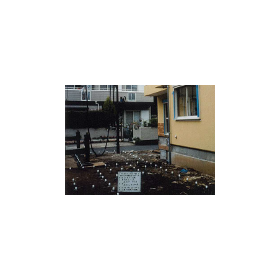
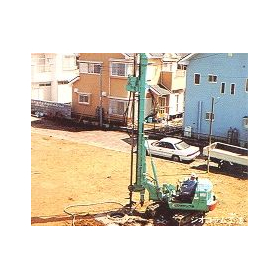
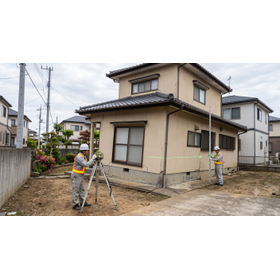
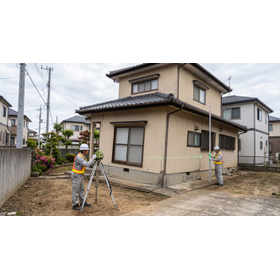
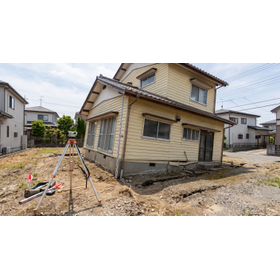
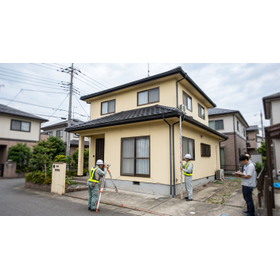
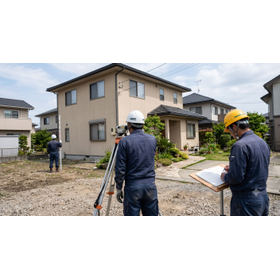
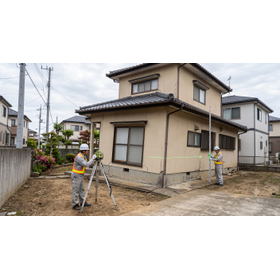
It is extremely effective for foundation reinforcement of single-family homes and small buildings on weak ground where cohesive soil layers, mud, and humus layers are thickly distributed. It is selected to ensure reliable vertical bearing capacity in sites where conventional ground improvement methods raise concerns about insufficient strength or quality degradation. Furthermore, it is widely used in practical designs for urban narrow sites where there is a desire to minimize the amount of excavated soil generated during construction and to reduce the burden on surrounding roads caused by material delivery vehicles in environmentally conscious projects.
catalog(4)
Download All Catalogs