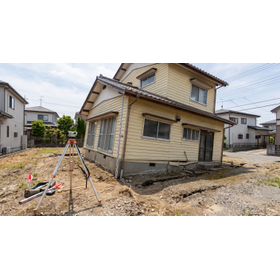
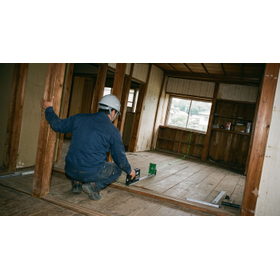
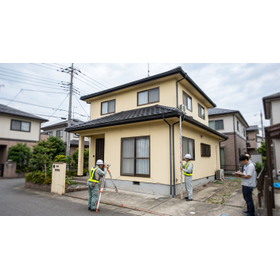
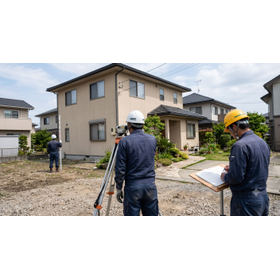
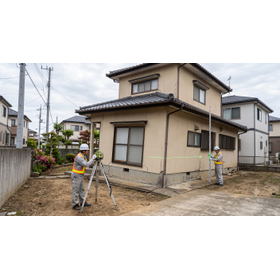
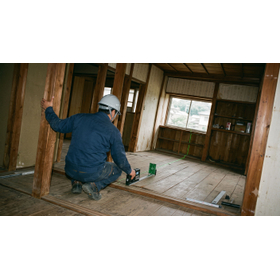
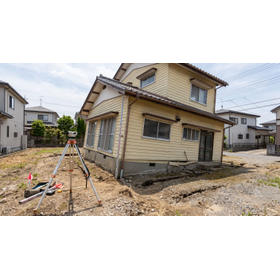
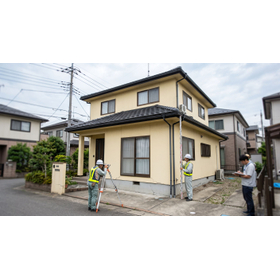
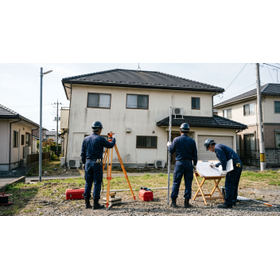
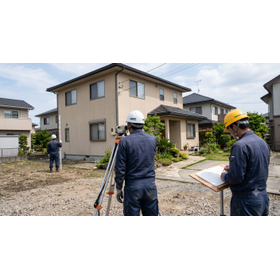
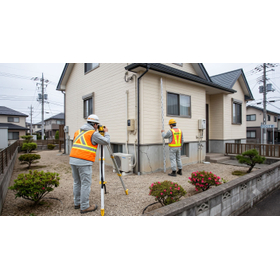
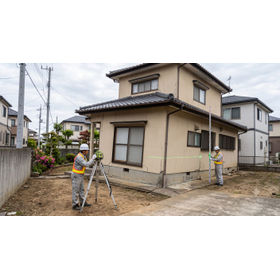
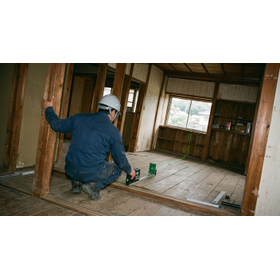
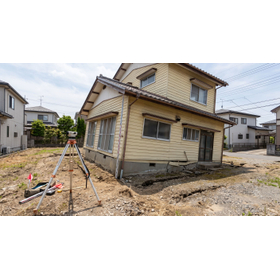
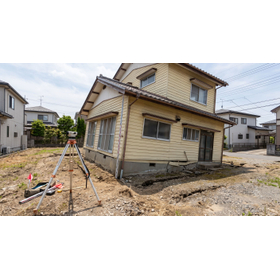
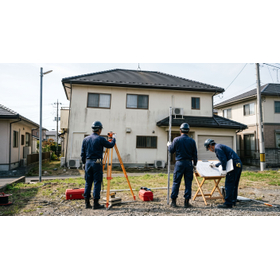
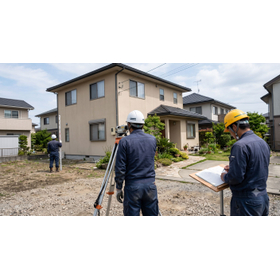
Ground reinforcement work | Preventing earthquake subsidence with strong small-diameter steel pipe piles for pushing and pulling.
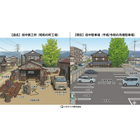
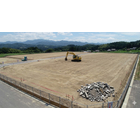
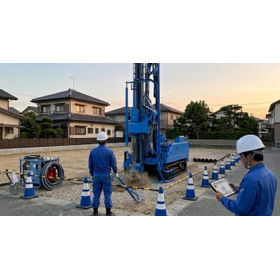
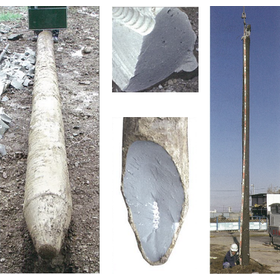
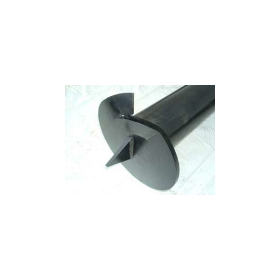
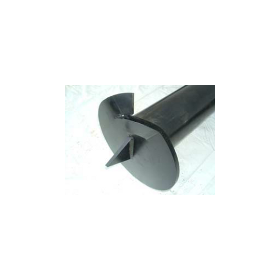
Small-diameter steel pipe piles with enlarged tips respond to both pushing and pulling loads. They effectively prevent differential settlement and the overturning of structures caused by major earthquakes and strong winds.
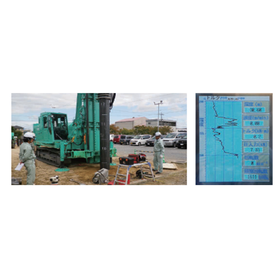
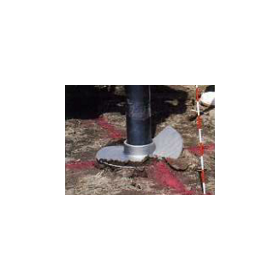
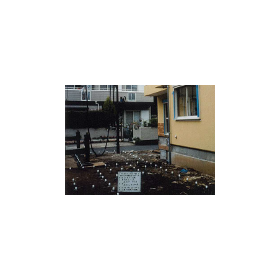
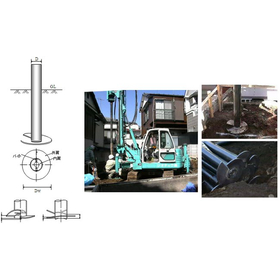
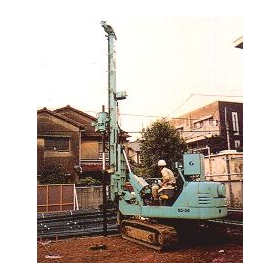
This proposal presents a ground reinforcement solution using small-diameter steel pipe piles that maximizes seismic resistance and safety against complex external forces such as seismic motion and wind loads. During a major earthquake, structures on soft ground experience strong horizontal and uplift forces, raising concerns that traditional reinforcement relying solely on vertical bearing capacity may not prevent differential settlement or overturning accidents. The small-diameter steel pipe pile method exhibits extremely high resistance not only to compressive loads from above but also to tensile stresses that occur during earthquakes, thanks to the special enlarged wings equipped at the tip that firmly anchor to the bearing layer. The rotation-driven insertion method, which does not use cement, allows for construction without disturbing the ground and maintains stable strength immediately after installation. With a clear bearing capacity and uplift force calculation formula that has obtained official performance certification, advanced structural calculations focusing on disaster prevention can be conducted. GeoTech digitally records construction data throughout the entire process, providing clients with reliable quality and high seismic resistance backed by data.
basic information
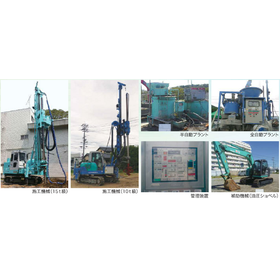
This construction method is a rotary penetration pile method consisting of high-strength carbon steel pipes with an outer diameter of φ89.1mm to φ216.3mm and an enlarged tip wing. The applicable range includes buildings with up to 3 stories, a height of up to 13m, and a total floor area of up to 1,500 square meters, as well as retaining walls and structures with a height of up to 3.5m. The maximum construction depth can accommodate up to 130 times the shaft diameter (up to a maximum of 19.2m, etc.) and is suitable for sandy and clayey soils. It has obtained architectural technical performance certification such as GBRC, and in addition to the allowable vertical bearing capacity in the pushing direction, a calculation formula for the allowable bearing capacity in the pulling direction has been established, making it a specification excellent in seismic design.
Price information
Delivery Time
Model number/Brand name
Ground reinforcement work
Applications/Examples of results
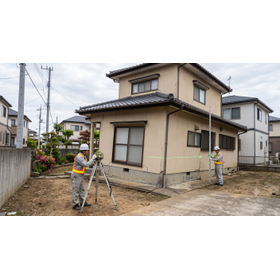
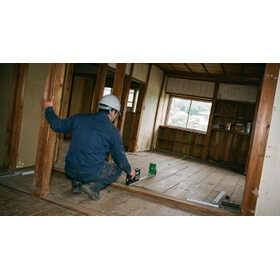
It is ideal for reinforcing the foundations of single-family homes, apartment buildings, medical and disaster response facilities, and stores to minimize the risks of shaking and differential settlement during major earthquakes. In particular, it is effective for wooden three-story houses that are prone to pulling forces from wind loads and seismic forces, high-rise buildings on narrow lots, tower structures, sign foundations, and construction near existing retaining walls. It is widely used in sites where reliable resistance to both pushing and pulling forces is required, as well as in construction projects that demand high structural stability and objective evidence for building confirmation applications and ground guarantees.
catalog(3)
Download All Catalogs