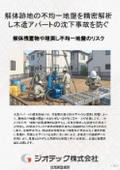
Ground Investigation | Analysis Method for Measuring Settlement of Uneven Ground at the Site of a Demolished Wooden Apartment Building
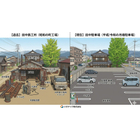
By conducting multi-point SWS tests on the uneven ground of the dismantled site and analyzing the deformation angles between measurement points, we can proactively prevent the risk of differential settlement in wooden apartments.
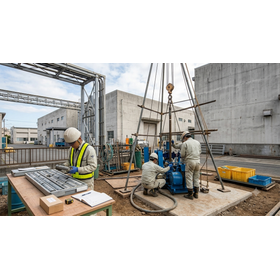
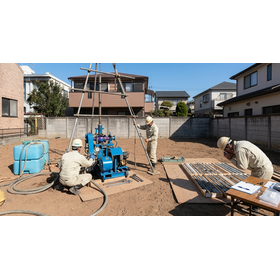
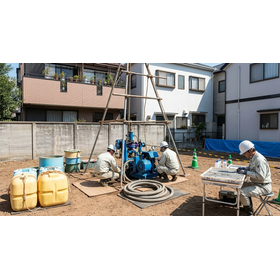
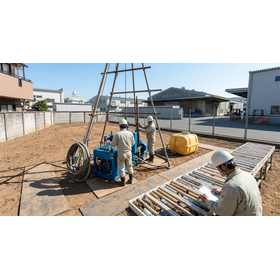
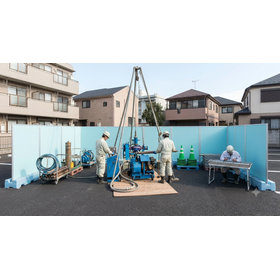
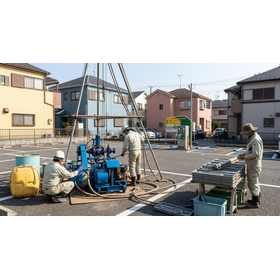
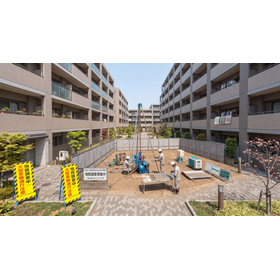
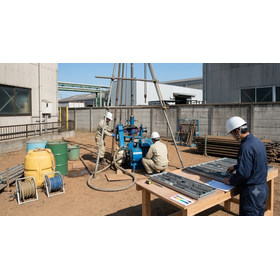
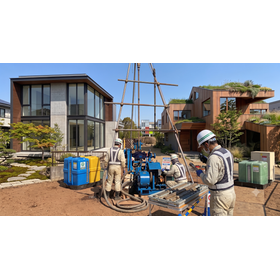
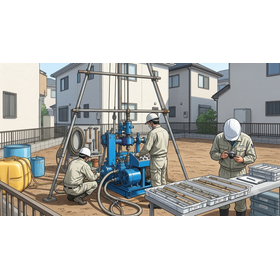
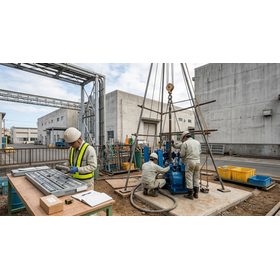
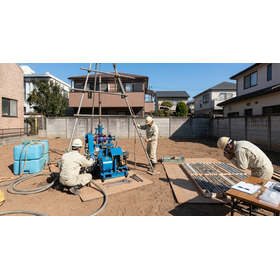
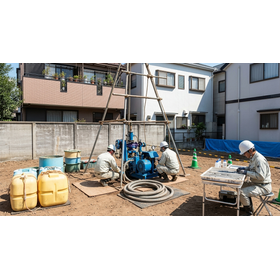
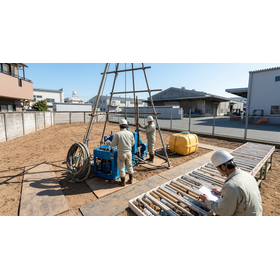
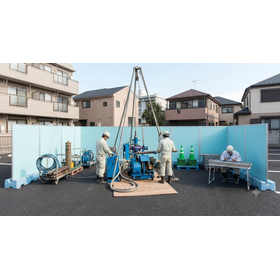
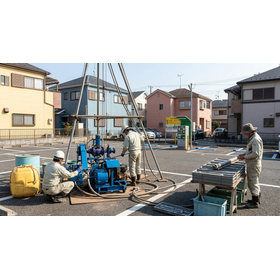
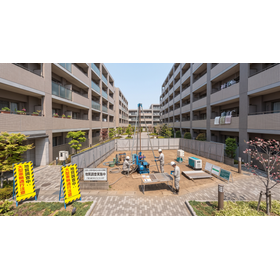
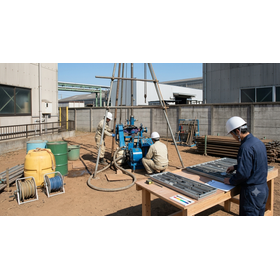
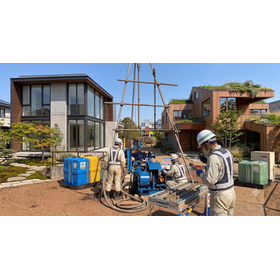
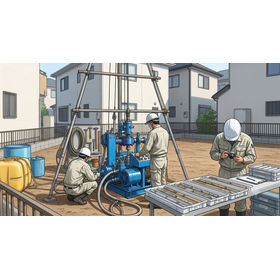
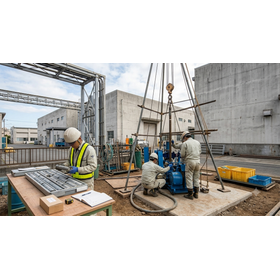
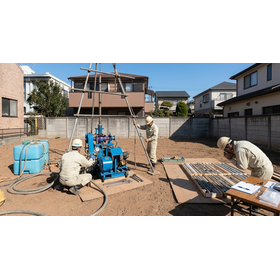
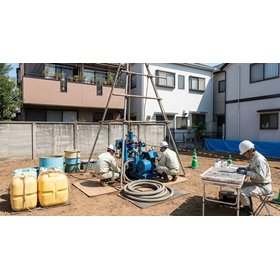
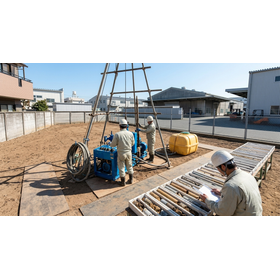
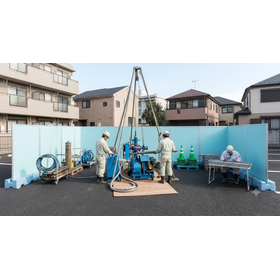
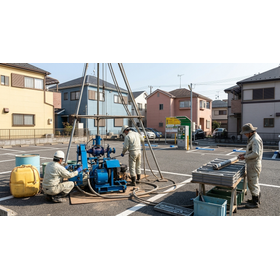
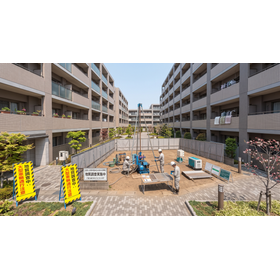
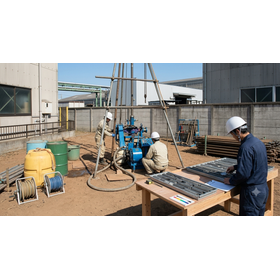
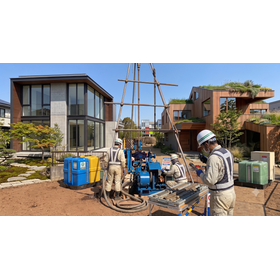
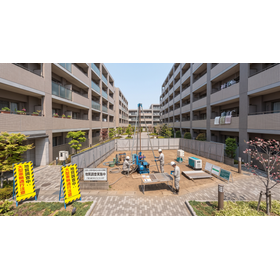
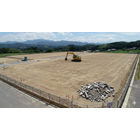
This technology is a ground investigation method designed to precisely identify the risk of settlement caused by demolition debris left on the site of a wooden apartment building and uneven backfilled ground. In demolition sites, due to inadequate processing of old foundations and insufficient compaction of fill, uneven ground with locally varying strength is likely to form, posing a risk of differential settlement after new construction. This service employs multi-point screw weight penetration tests (SWS tests) to meticulously measure penetration resistance values at various depths, creating continuous data on the hardness and softness of strata and the bias of self-settling layers. Based on the acquired data, we evaluate the comparison of penetration resistance values between measurement points and estimate deformation angles (building tilt) to numerically calculate potential settlement behavior that may occur in the future. Additionally, we comprehensively consider the dispersion effect of building loads and the number of years elapsed, flexibly proposing optimal ground reinforcement plans ranging from surface improvement to pile methods. We aim to proactively avoid ground troubles unique to demolition sites, providing high structural safety and reliable quality evidence. We strongly support the longevity of buildings and the preservation of asset value.
basic information
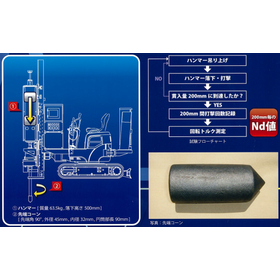
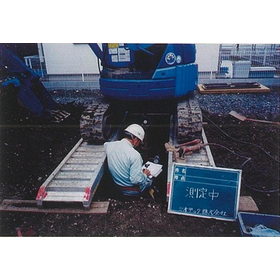
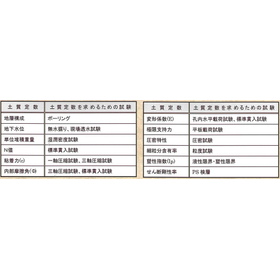
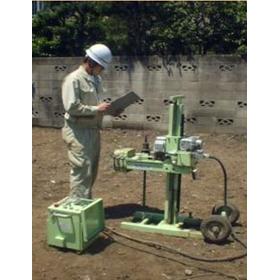
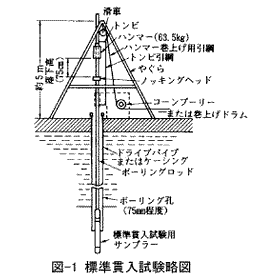
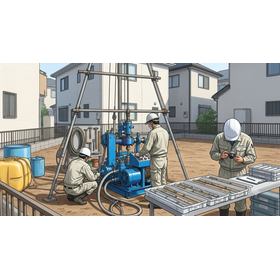
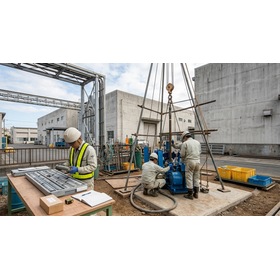
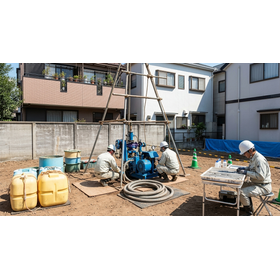
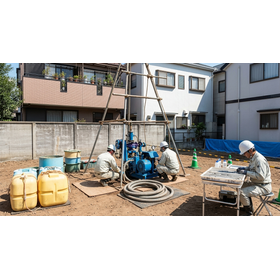
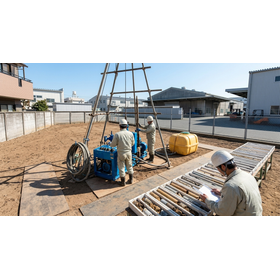
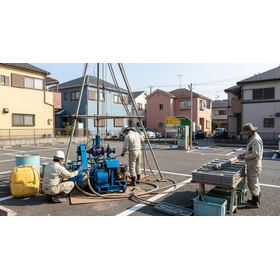
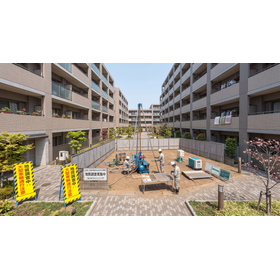
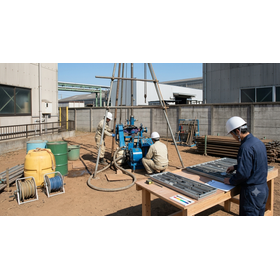
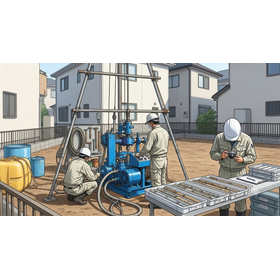
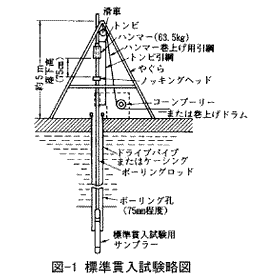
The survey method standardly employs the Screw Weight Penetration Test (SWS test) and may also use the SDS test, hand auger, and boring surveys as necessary. Continuous measurements can be taken to a maximum depth of about 10 meters below the foundation, with penetration loads (25 kg to 100 kg) and half rotations recorded precisely either automatically or manually. In data analysis, the Inada method for converting N values is used, and allowable bearing capacity calculations are performed according to the soil classification of cohesive soils and sandy soils. Furthermore, a multifaceted evaluation based on our unique three items and eight elements (ground strength, shrinkage, deformation) is conducted, and a detailed ground investigation report is prepared, including the results of level difference measurements.
Price range
Delivery Time
Model number/Brand name
Boring survey
Applications/Examples of results
It is ideal for ground evaluation of new wooden houses and apartment buildings on uneven ground after the demolition of wooden apartment buildings or the removal of old foundations. It is used to understand local differences in ground bearing capacity and the risk of uneven consolidation settlement in construction sites where land has been developed after demolition or backfilling has been performed. Additionally, it can be utilized for determining the suitability of direct foundations such as strip foundations and mat foundations, as well as for selecting methods and calculating design bases for ground reinforcement work when surface ground improvement, columnar improvement, or small-diameter steel pipe piles are necessary. It is widely used as reference material during structural calculations in design offices and construction companies, as well as evidence for submission to ground warranty organizations.