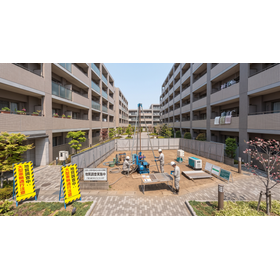
Ground Investigation | Settlement Analysis of Uneven Ground at the Site of a Demolished Wooden Apartment Building
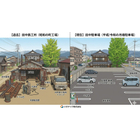
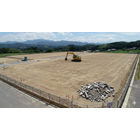
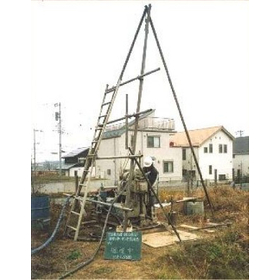
Analyze the uneven ground of the demolition site with height differences and cut-and-fill transitions through multi-point measurements, and propose an optimal foundation design to prevent differential settlement of wooden apartments.
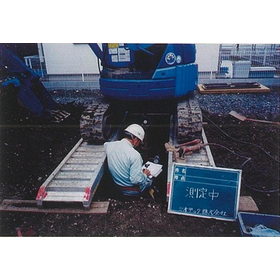
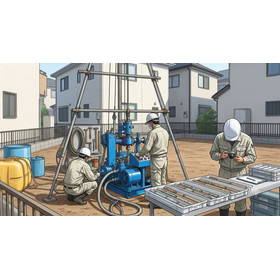
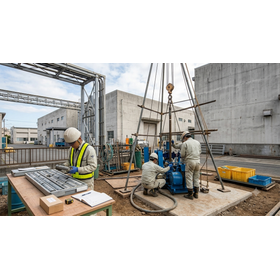
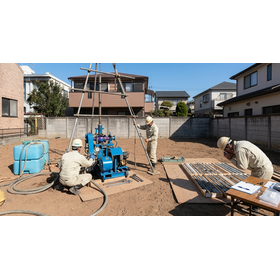
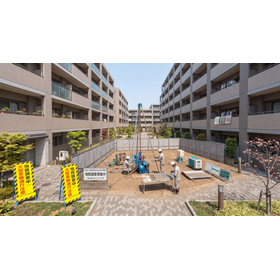
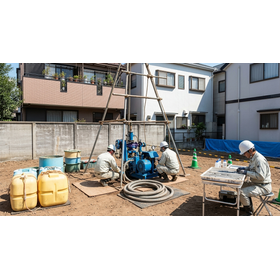
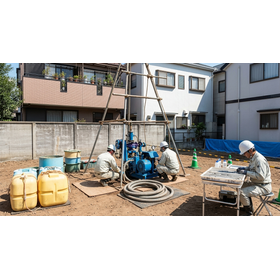
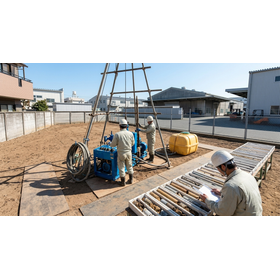
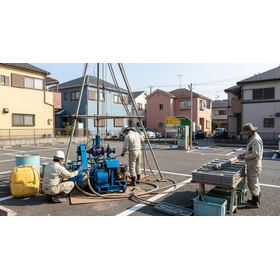
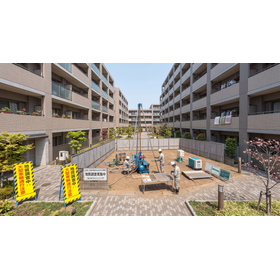
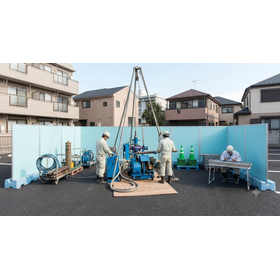
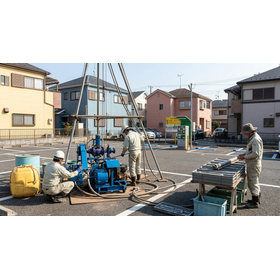
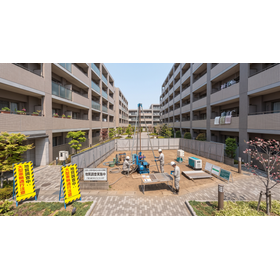
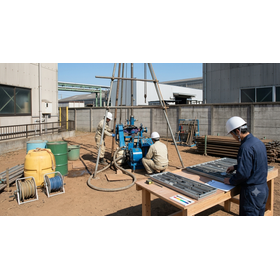
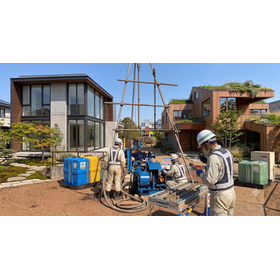
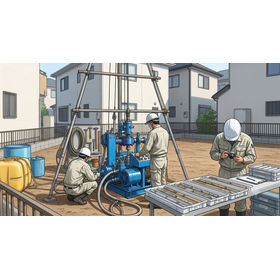
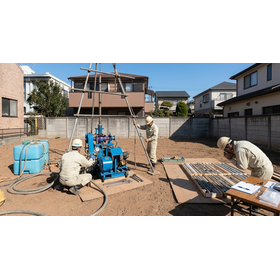
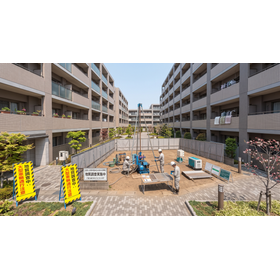
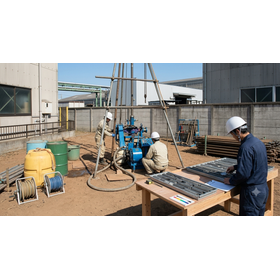
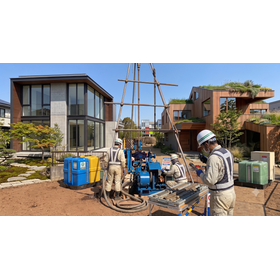
This technology is a ground investigation method that precisely identifies the risk of settlement caused by uneven ground due to cut and fill in the demolition site of wooden apartments with elevation differences and terraced history. In ground conditions where hard cut soil and soft fill soil coexist, known as "cut and fill crossing," there is a risk of catastrophic differential settlement occurring after new construction due to significant differences in bearing capacity. This service integrates and analyzes screw weight penetration tests (SWS tests) at multiple points with elevation survey data to three-dimensionally grasp the position of the cut and fill boundary and changes in the thickness of the fill layer. By simulating the estimated deformation angles (tilt of the building) between measurement points from the acquired continuous data, we quantify the impact of uneven settlement on the structure. Based on the analysis results, we propose targeted measures focused only on the fill areas that require reinforcement, rather than conducting uniform and costly improvement work across the entire site. We strongly support safe and secure apartment construction while eliminating potential issues with uneven ground and optimizing reinforcement costs.
basic information
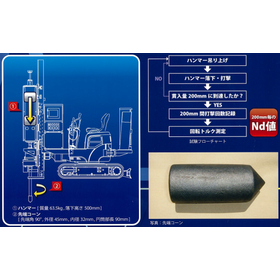
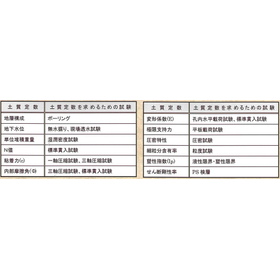
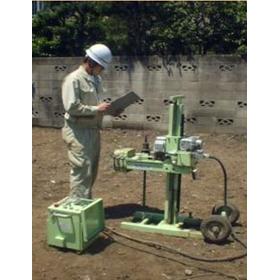
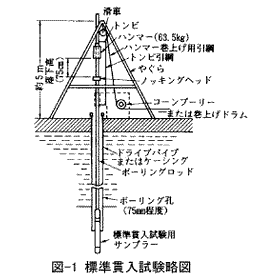
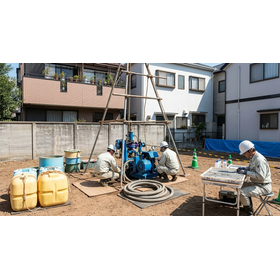
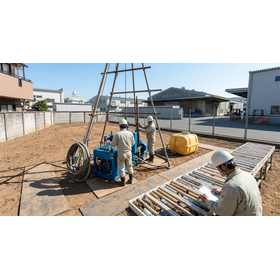
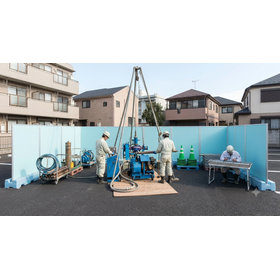
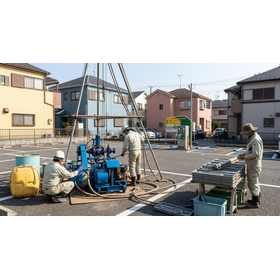
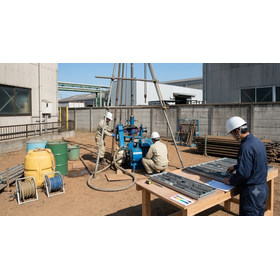
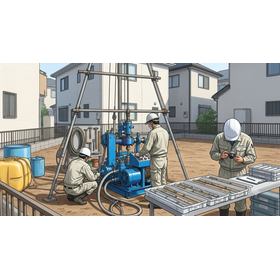
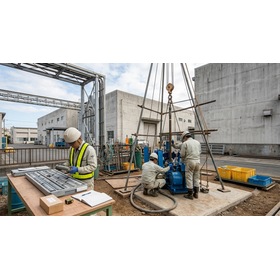
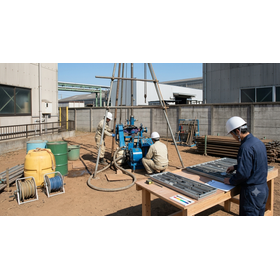
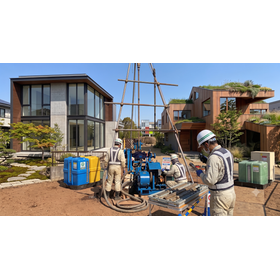
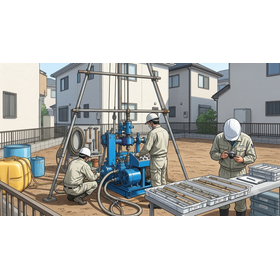
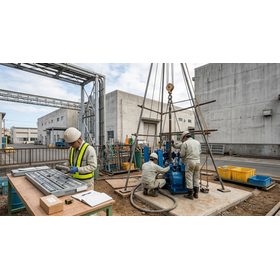
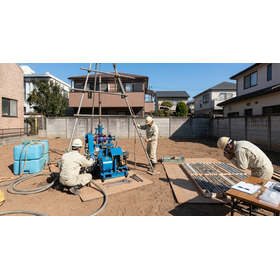
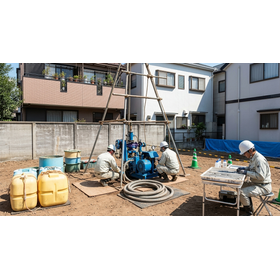
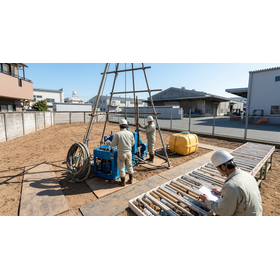
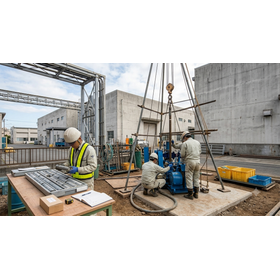
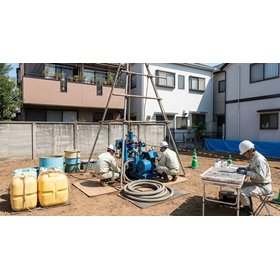
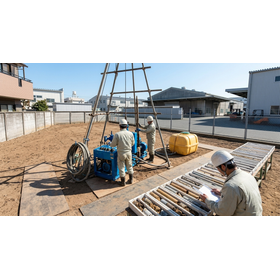
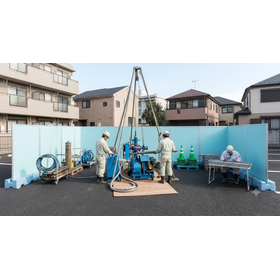
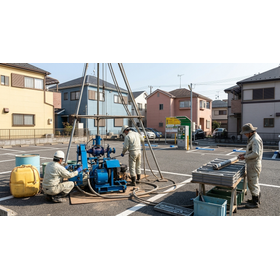
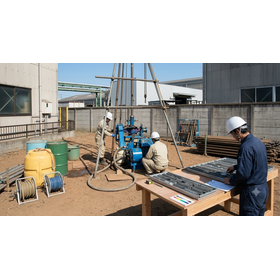
This survey method is based on the screw weight penetration test (SWS test) and combines multi-point density measurement with elevation level surveying. It continuously measures penetration resistance values (load and half rotation speed) up to a maximum depth of 10 meters below the foundation, and calculates the bearing capacity for cut and fill using the Inada method conversion N-value formula. The data analysis applies a proprietary algorithm for calculating the deformation angles between measurement points and a three-item eight-factor standard (strength, shrinkage, deformation, etc.). A bound report will be created and issued to visualize the positional relationship of the cut and fill boundary.
Price information
Please contact us.
Delivery Time
Model number/Brand name
Ground investigation
Applications/Examples of results
It will be utilized for new apartment projects on sites primarily characterized by the history of elevation differences and the remnants of wooden apartment demolitions, as well as construction sites where cut and fill areas are mixed. It is ideal for accurately determining the feasibility of using direct foundations such as slab foundations or strip foundations on uneven ground with significantly varying ground strength within the same site. Additionally, it serves as a technical basis for reinforcing designs that limit surface improvements or columnar improvements only to the fill areas, avoiding excessive overall ground improvement. It also contributes widely as compliant documentation for building confirmation applications and ground warranty examinations.
catalog(3)
Download All Catalogs