Site Investigation | Foundation Optimization for Evaluating Ground Bearing Capacity to Prevent Uneven Load Settlement of Factory Energy Storage Containers
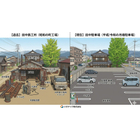
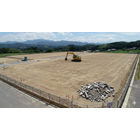
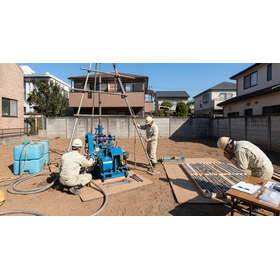
Prevent uneven loading settlement of the storage battery container! Measure the ground reaction coefficient through plate loading tests to optimize foundation costs by reducing excess soil and preventing over-reinforcement.
The installation of container-type storage batteries for decarbonization and disaster prevention measures at factories and business sites has rapidly increased in recent years. However, the uneven distribution of internal equipment poses a significant risk of causing uneven loading, which can lead to foundation tilting and differential settlement. Geotech's ground bearing capacity evaluation service conducts plate load tests directly beneath the pressure-bearing surface, accurately calculating the ultimate bearing capacity, deformation coefficient, and ground reaction coefficient (K value) of shallow ground. By providing clear mechanical evidence that does not rely on estimated values, we thoroughly eliminate excessive design of deep ground improvement and unnecessary pile driving design, allowing for a switch to direct foundations such as mat foundations. This simultaneously achieves significant reductions in construction costs and the amount of excavated soil (considering ESG factors). By combining strict quality control by qualified specialized staff with our own ground database "GEODAS," we can promptly respond to structural compatibility assessments and building confirmation application inquiries. We provide comprehensive and robust support for the establishment of a storage system foundation that ensures both safety and excellent economic efficiency.
basic information
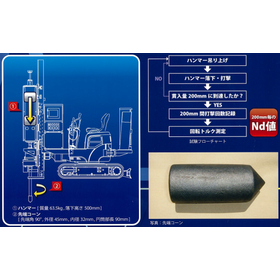
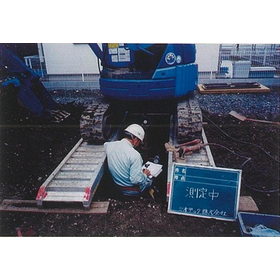
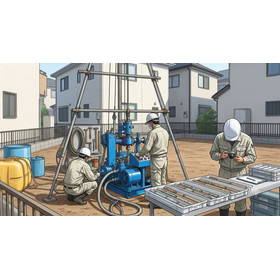
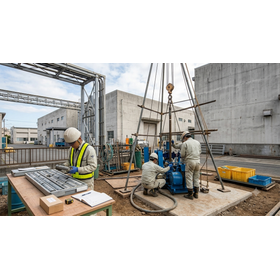
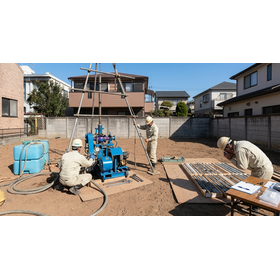
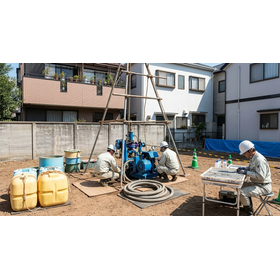
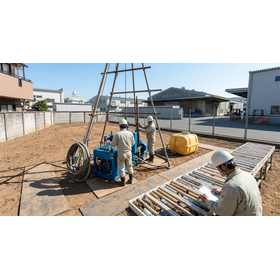
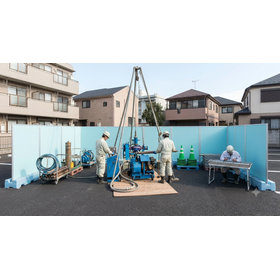
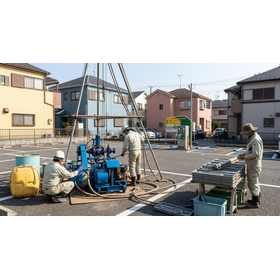
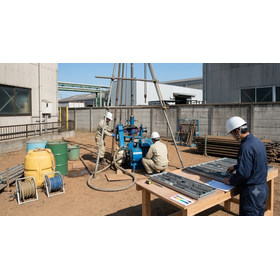
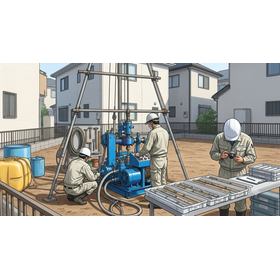
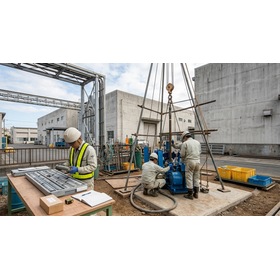
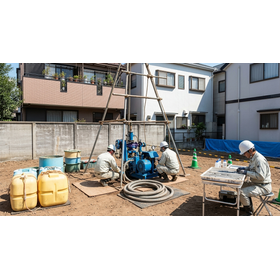
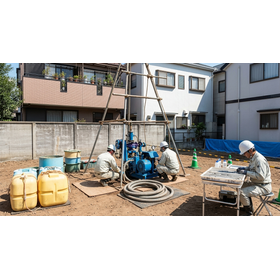
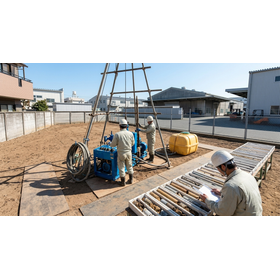
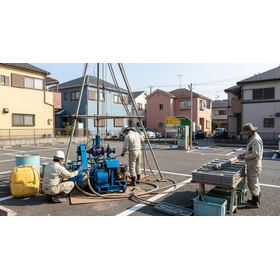
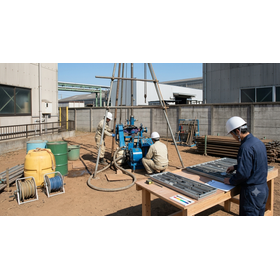
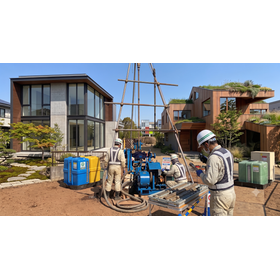
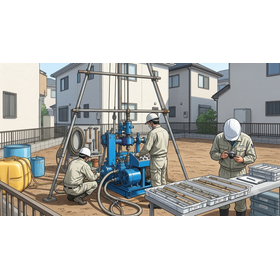
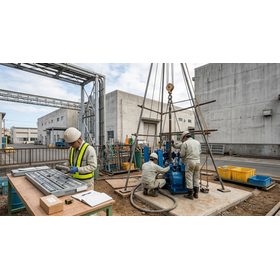
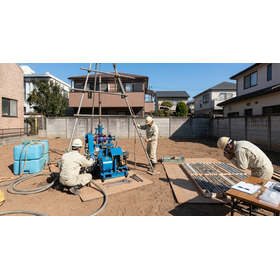
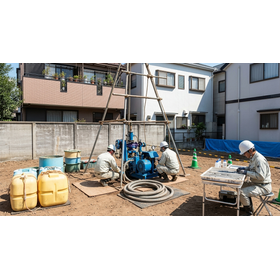
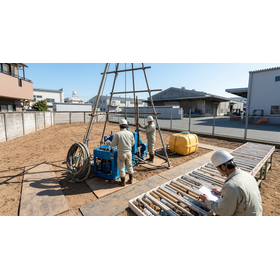
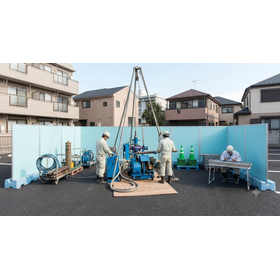
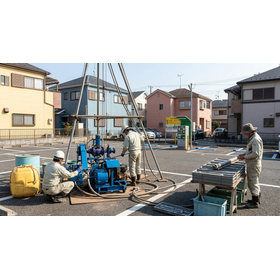
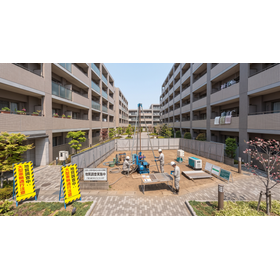
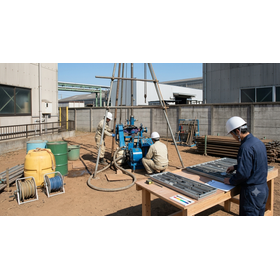
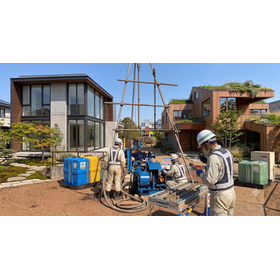
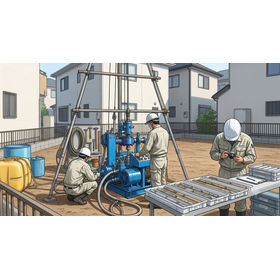
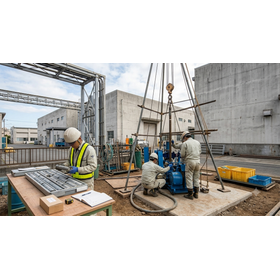
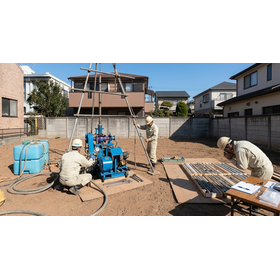
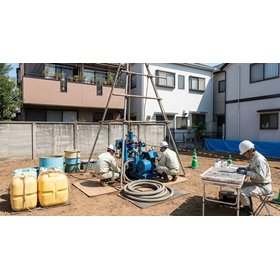
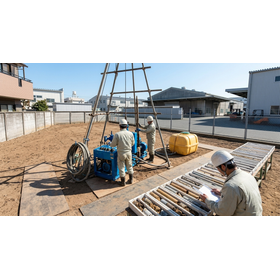
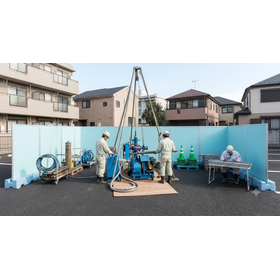
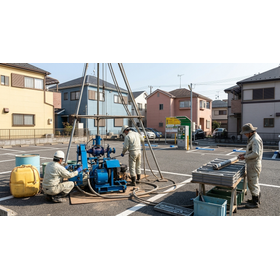
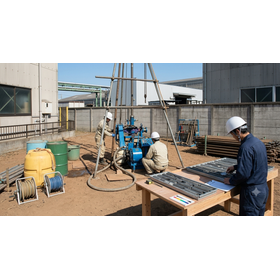
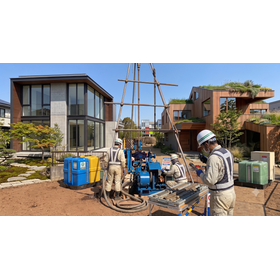
This test will be conducted in accordance with the Geotechnical Engineering Society standard JGS1521 "Method for Plate Load Test on Ground," by placing a steel loading plate (diameter 300mm) on the prepared ground up to the foundation installation depth. Using a reaction frame and hydraulic jack, multi-stage loading will be performed for 5 cycles, and the immediate settlement and load retention behavior will be automatically and continuously recorded in millimeter units using a high-precision displacement gauge. From the obtained P-S curve (load-settlement relationship), the ultimate bearing capacity, long-term and short-term allowable bearing capacity, ground reaction coefficient Kv value, and deformation coefficient E0 value will be calculated. Measurement equipment that has undergone pre-site inspection and annual calibration will be used, and the analysis and reporting will be completed by an in-house ISO9001 qualified personnel.
Price range
Delivery Time
Model number/Brand name
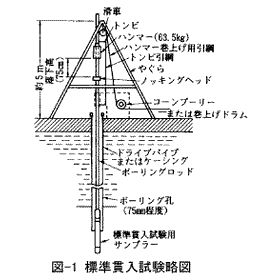
Boring survey
Applications/Examples of results
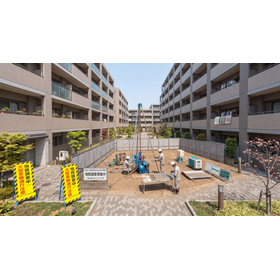
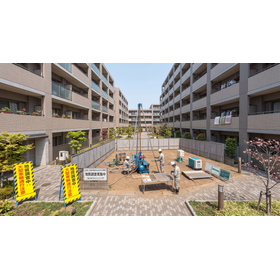
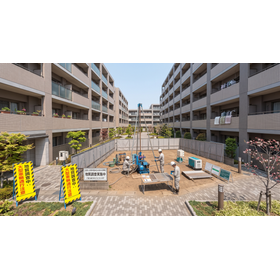
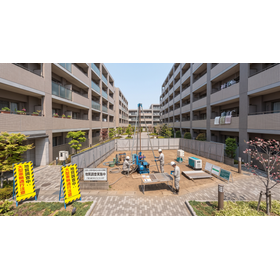
It is directly used for ground bearing capacity evaluation and diagnosis of uneven load and differential settlement prevention in the installation of container-type stationary energy storage systems on factory and business site premises. It is particularly suitable for the actual measurement of ground bearing capacity in energy storage yards where heavy equipment is unevenly distributed, checking the allowable ground pressure for substations, generators, and high-voltage transformer foundations, as well as providing second opinions aimed at reducing excessive piling work and deep ground improvement. It supports the safety construction of self-consumption energy storage facilities by confirming ground stability procedures when renovating existing factory parking lots or material storage areas into energy storage sections, and by preparing structural design basis documents for building confirmation applications.
catalog(3)
Download All Catalogs