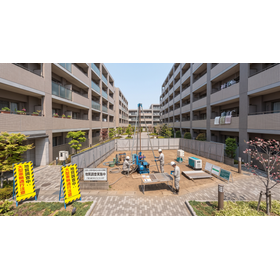
Site Investigation | Ground Bearing Capacity Assessment and BCP Safety Measures to Prevent Uneven Load in Factory Energy Storage Containers
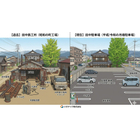
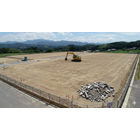
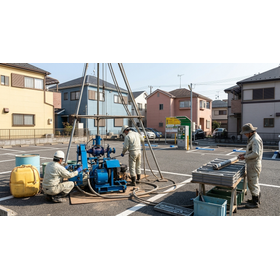
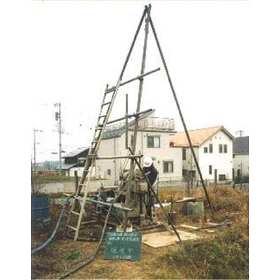
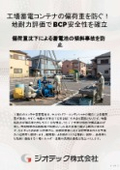
Prevent uneven load settlement of factory storage battery containers! Conduct a plate load test to measure and evaluate ground bearing capacity, achieving optimal direct foundation design to reduce excessive reinforcement costs and improve BCP (Business Continuity Planning).
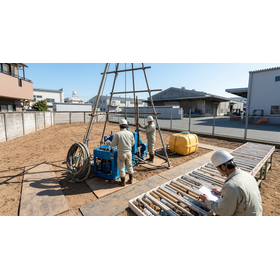
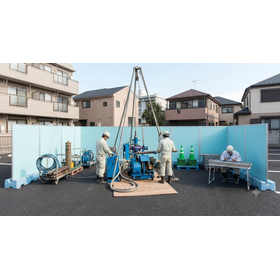
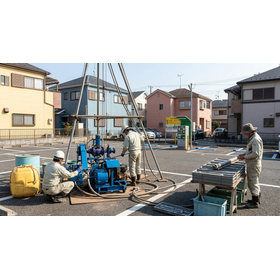
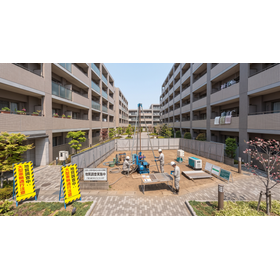
The container-type storage batteries installed within the factory premises are prone to uneven loading due to the internal arrangement of batteries, which can lead to localized ground subsidence and the risk of equipment tilting. The ground bearing capacity evaluation service provided by Geotech conducts plate load tests in accordance with the Japan Geotechnical Society standards (JGS1521) at the foundation bearing surface, precisely measuring the allowable bearing capacity and ground reaction coefficient of shallow ground. By presenting reliable mechanical data that does not rely on estimated values, we preemptively eliminate the risk of differential settlement under uneven loading. Furthermore, we scientifically visualize the potential support performance of the ground, enabling design changes to direct foundations such as slab foundations, which avoid excessive steel pipe piling and deep ground improvement. This reduces unnecessary reinforcement construction costs, achieving both a reduction in construction costs and a shortening of the construction period. Through precise data analysis by qualified personnel and the use of our in-house ground database "GEODAS," we also smoothly support the preparation of documents for submission to designated confirmation inspection agencies and the review of building confirmation applications, contributing to the establishment of safety in the factory's disaster prevention and BCP foundation.
basic information
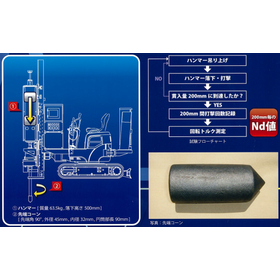
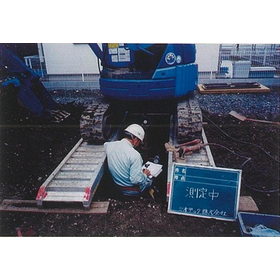
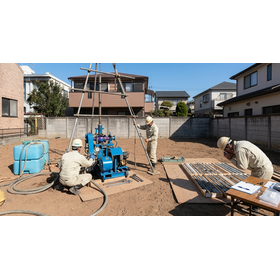
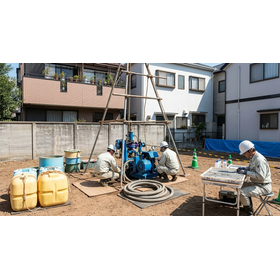
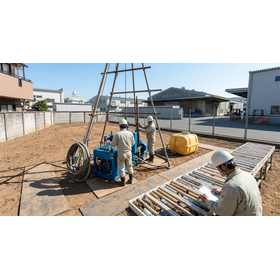
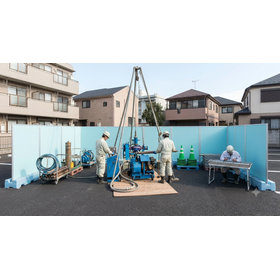
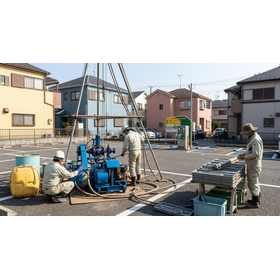
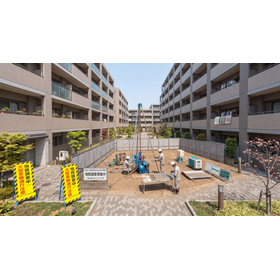
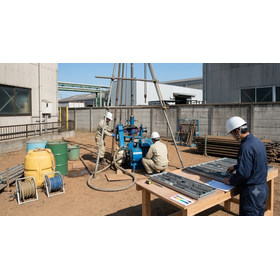
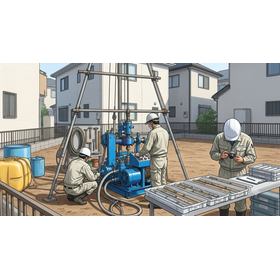
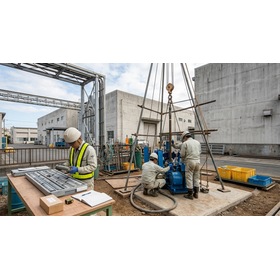
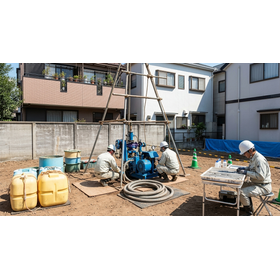
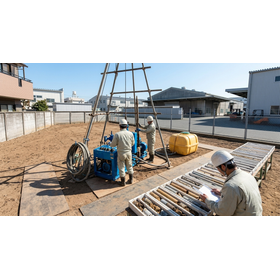
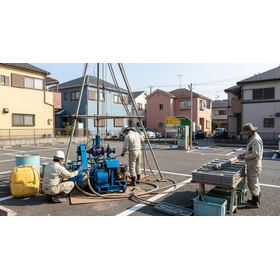
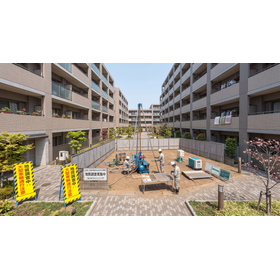
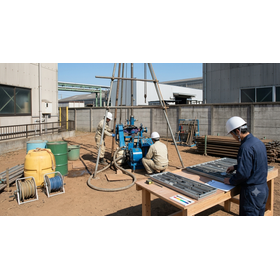
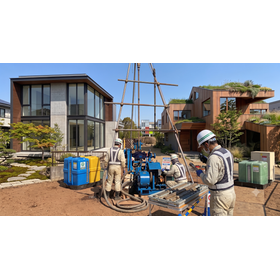
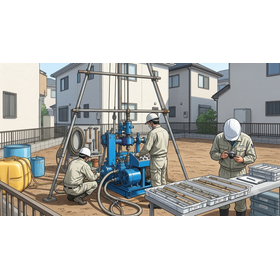
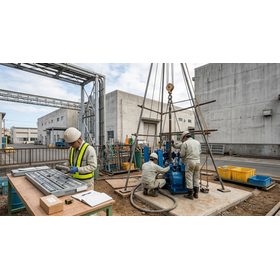
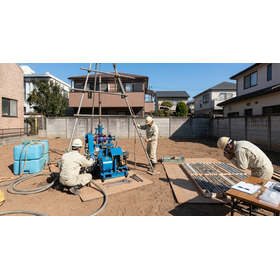
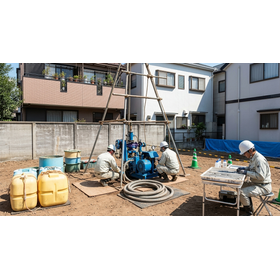
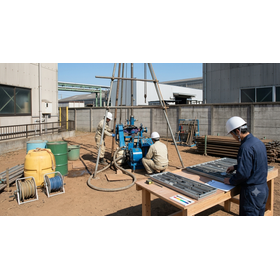
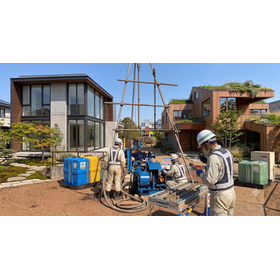
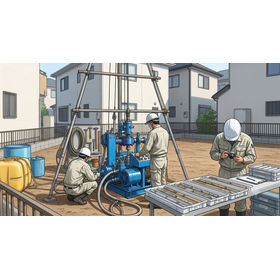
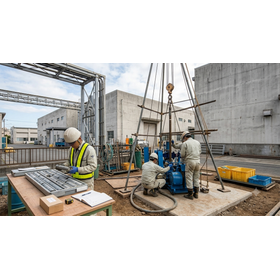
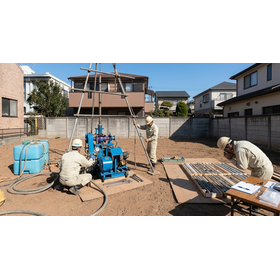
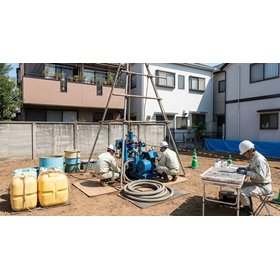
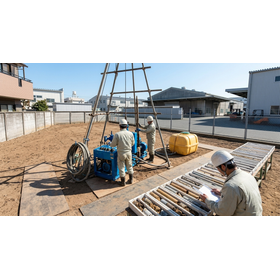
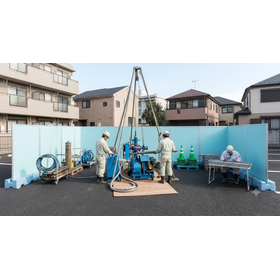
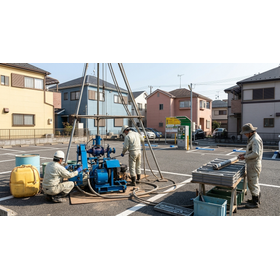
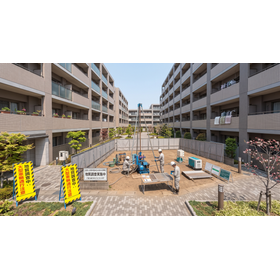
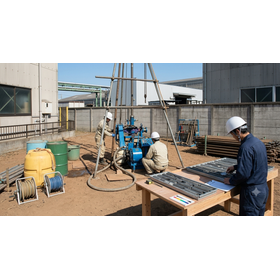
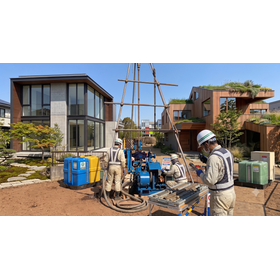
This service is conducted in accordance with the Geotechnical Engineering Society standard JGS1521 (Method for Plate Load Test on Ground). Using a rigid steel loading plate with a diameter of 300mm, hydraulic jacks, and high-precision displacement gauges, we perform multi-stage loading and unloading in five or more steps using the weight of heavy machinery as the loading reaction. The settlement amount is automatically measured in units of 0.01mm, and we accurately calculate the ultimate bearing capacity, long-term and short-term allowable bearing capacity, ground reaction coefficient (K value), and deformation coefficient (E value). The measuring equipment is managed with regular calibration, and under an ISO9001 certified quality management system, qualified specialized staff (such as geological survey technicians) consistently handle analysis and report preparation.
Price information
Please contact us.
Delivery Time
Model number/Brand name
Ground investigation
Applications/Examples of results
It is optimal for evaluating bearing capacity and addressing uneven loading of the foundation ground for industrial container-type storage batteries installed within factory or business premises. It can be used to confirm soil bearing capacity when repurposing parking lots or outdoor vacant areas within existing factory sites into storage yards, as well as for calculating allowable bearing pressure for direct foundations (slab foundations and ground floors). Additionally, it broadly supports safe and rational installation planning for industrial energy facilities, including second opinion investigations aimed at reviewing excessive pile construction or deep ground improvement, and creating structural compliance evidence for application approvals.